
Nov 24, 2025
Development Update 21
As we're now in the final stint of 2025, today we're going to give you a summary of what we've done throughout the year.
One of our biggest focuses this year, by far, has been developing Afterconflict's modding tools.
Afterconflict has been built from the ground-up (including the custom engine that it runs on) to be moddable as-shipped without the need for external tools and large SDK downloads; whether a total conversion, a minimod, or even a simple addon, we are dedicated to our goal of making modding as accessible as possible.
To this end, in our most recent demo update we've introduced the ability to mod infantry weapons, and as a part of this we've included a few templates including the AKS74 and RGO grenade to familiarise you with things such as our custom scripting language that we hope will allow anyone of any skill level to make something cool with Afterconflict.
If you didn't catch it when it released, the changelog for Version 0.9.8 is as follows:
● Added Infantry Weapon Modding
○ AKS74 & RGO Grenade Modding Templates
○ More Information About the Framework Will Be Released in the Coming Weeks
● VFX Editor Additions
○ Added Particle Counter
○ Adding Playback Timer
● Added New Weapon Variants
○ Added G3A4
○ Added AKS74
● Added New West German Weapon Scopes
○ Added Zielfernrohr (Modell 1) Scope
○ Added FERO-Z 24 Scope
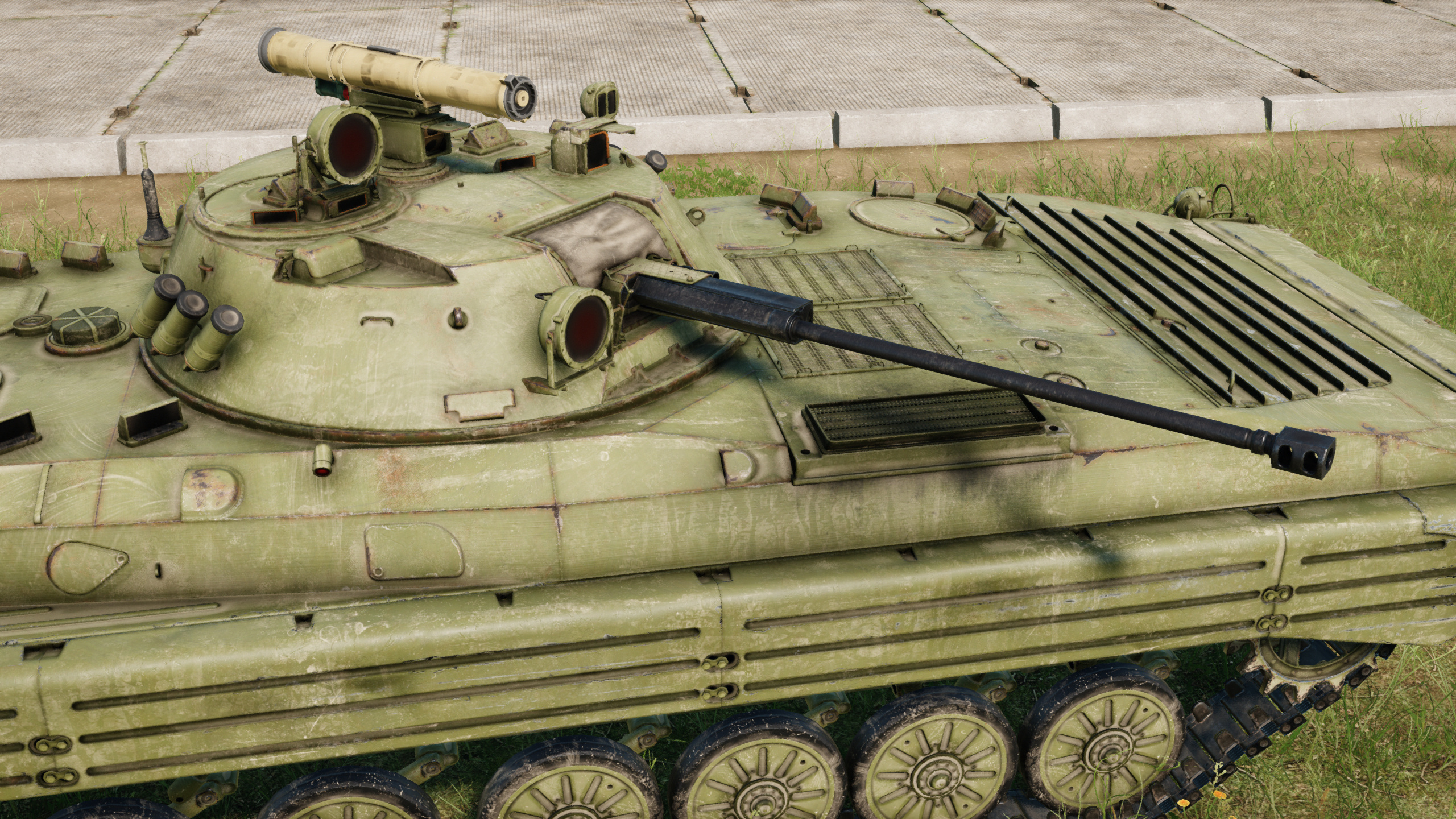
● Updated Soviet BMP-2 Model
● Updated Weapon Handling
● Added PU-1 With Eyecup
● Rendering Bugfixes
○ Fixed Cloud Noise Artifacts at Peak Altitude
○ Fixed Various Rendering Artifacts on AMD Hardware
○ Fixed Post-Process Artifacts Resulting From Screen Resize
But for those of you who are here to see what we've got in the works that makes Afterconflict Afterconflict, worry not, we've got plenty in store for you below!
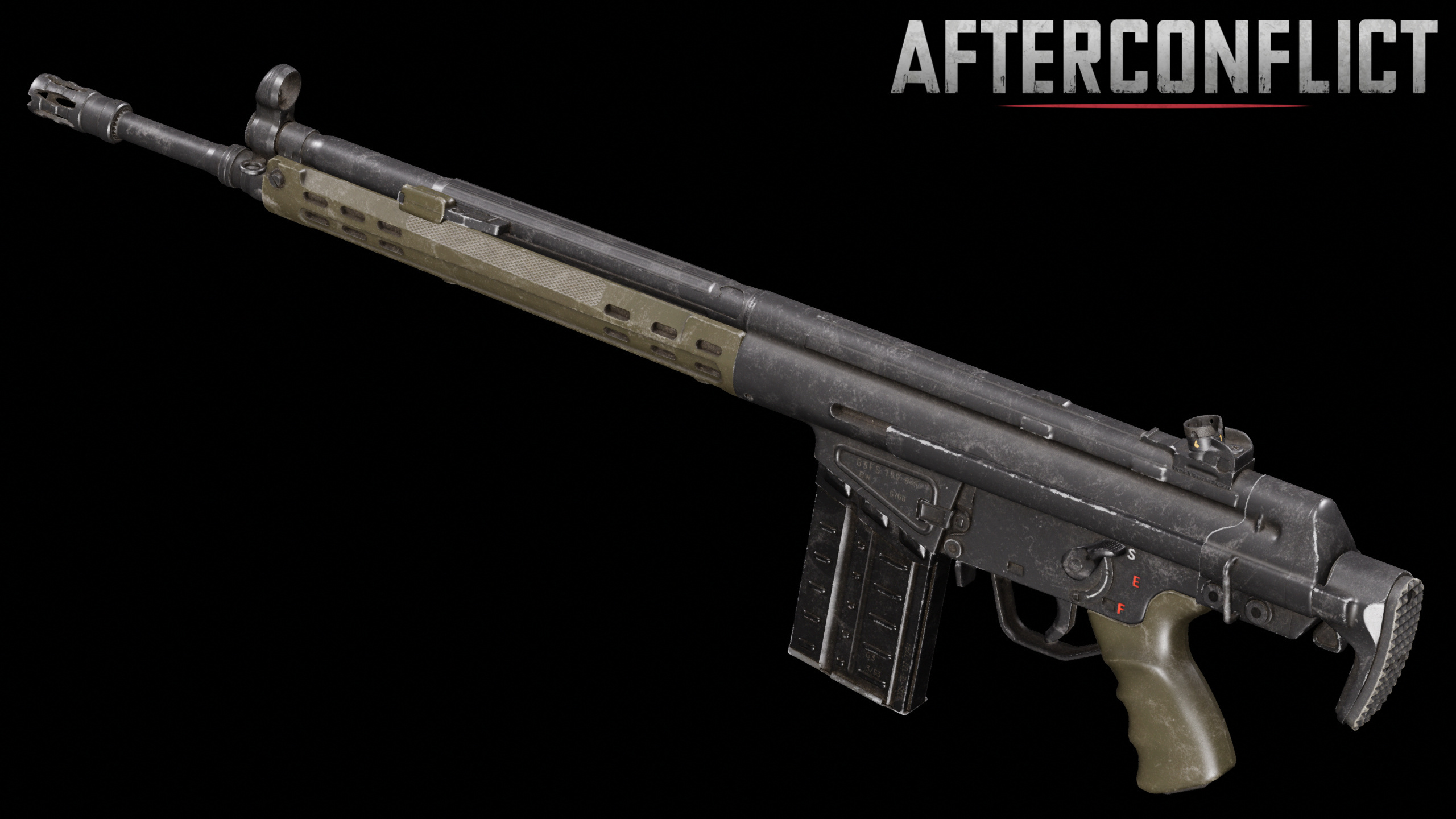
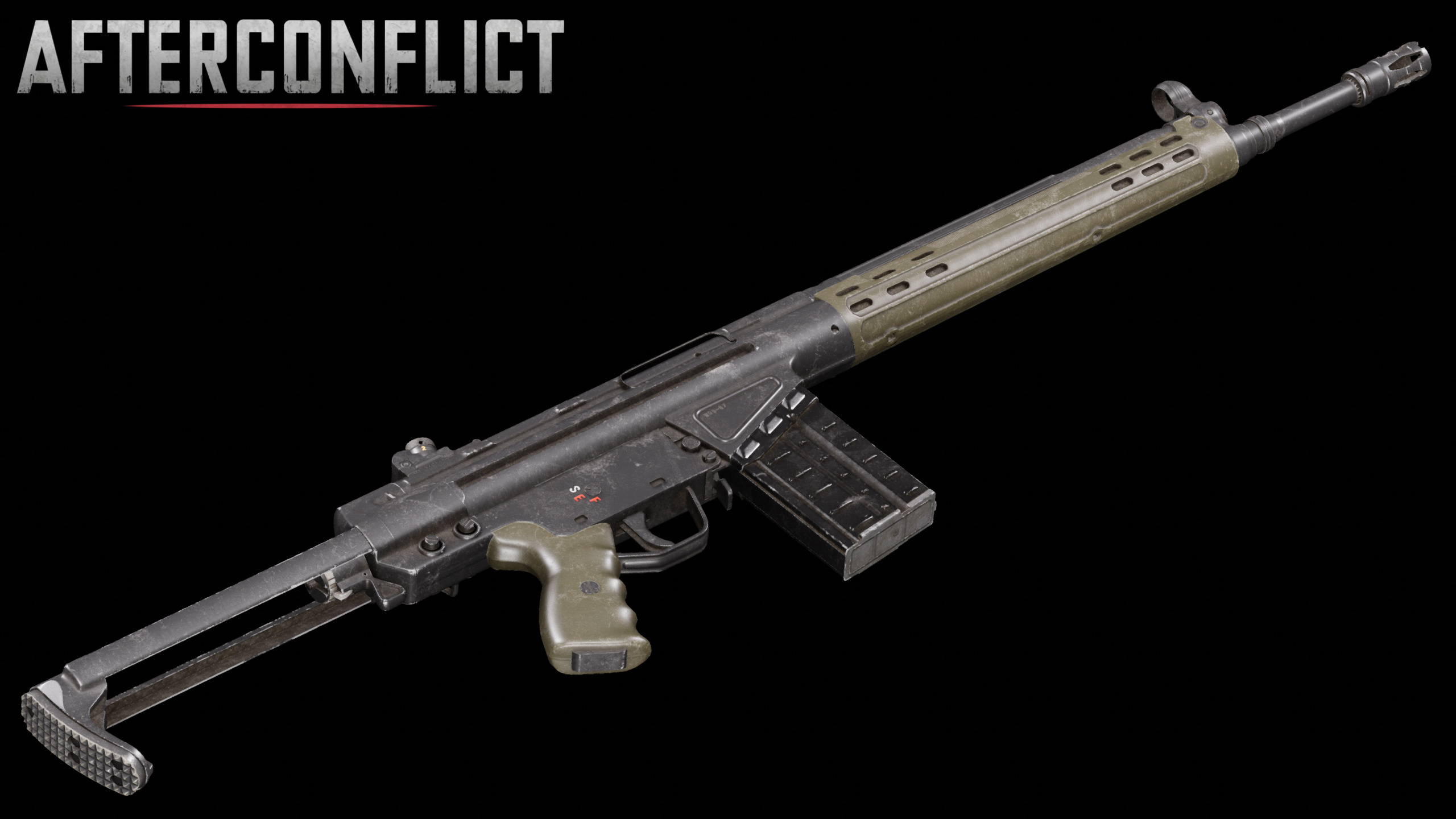
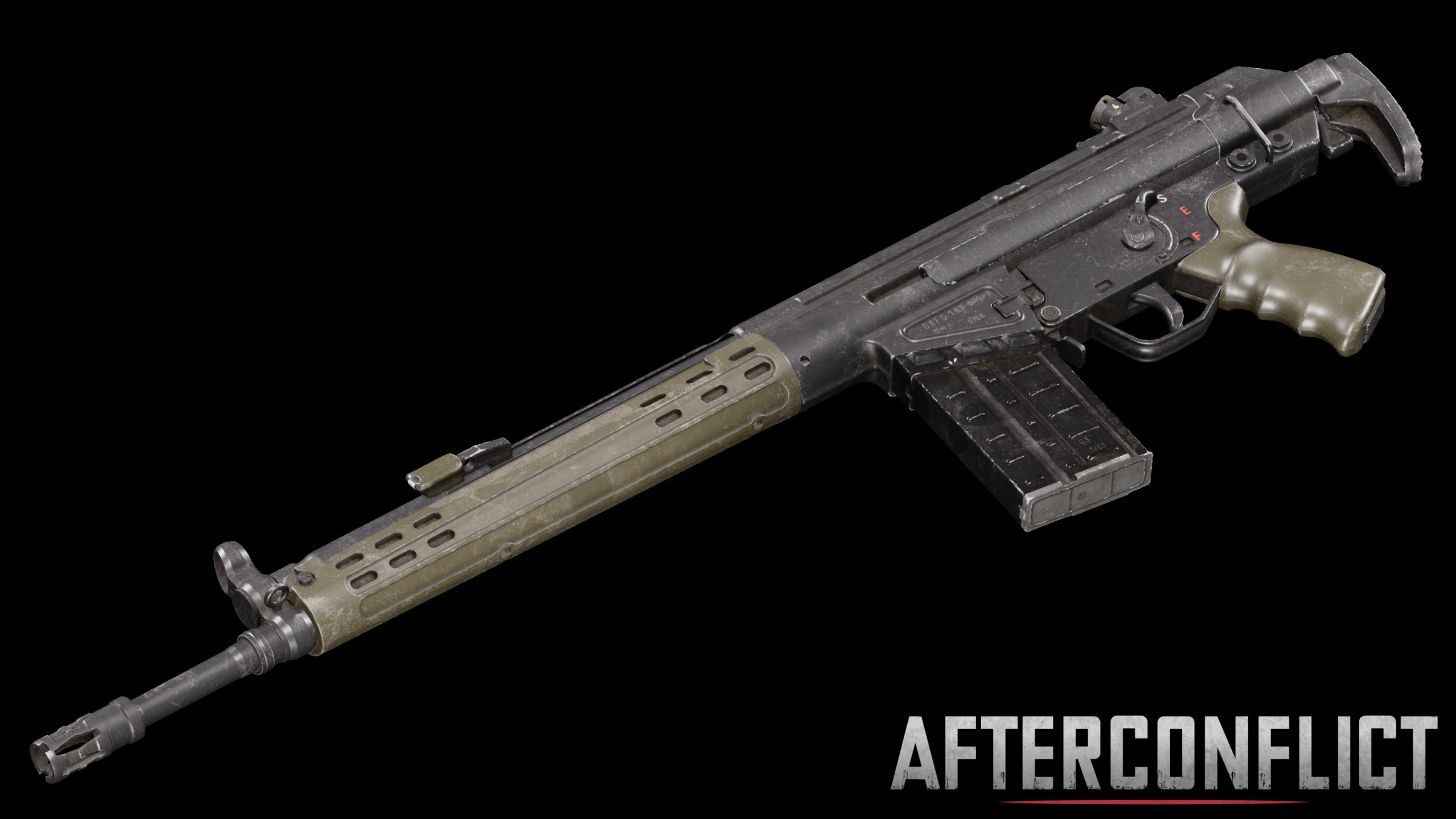
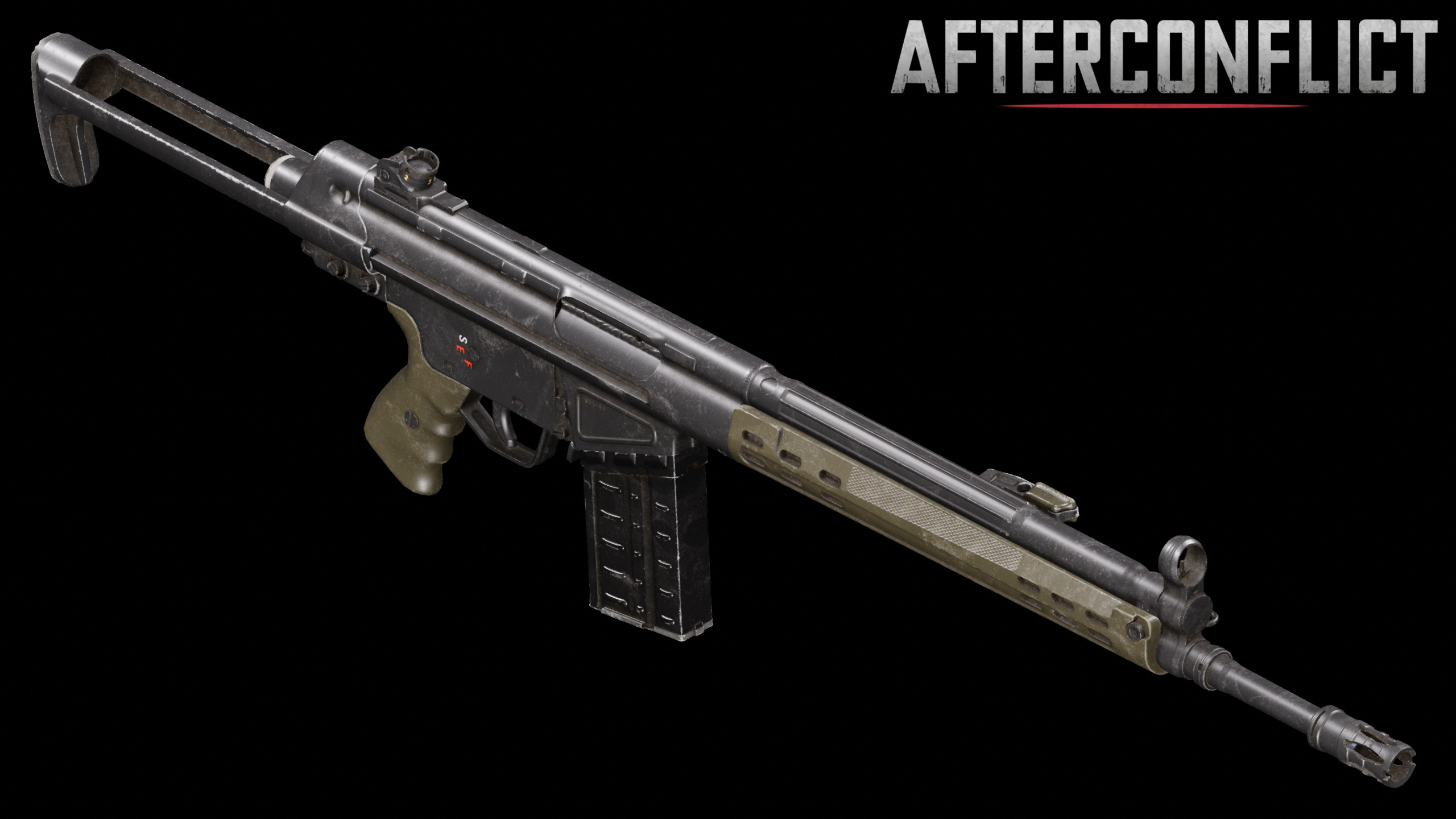
Starting off we have the West German equivalent to the Soviet AKS74 in the G3A4, the telescoping stock brethren to the full-stocked G3A3 of the G3FS family mainly intended for issue among paratroopers and vehicle crews.
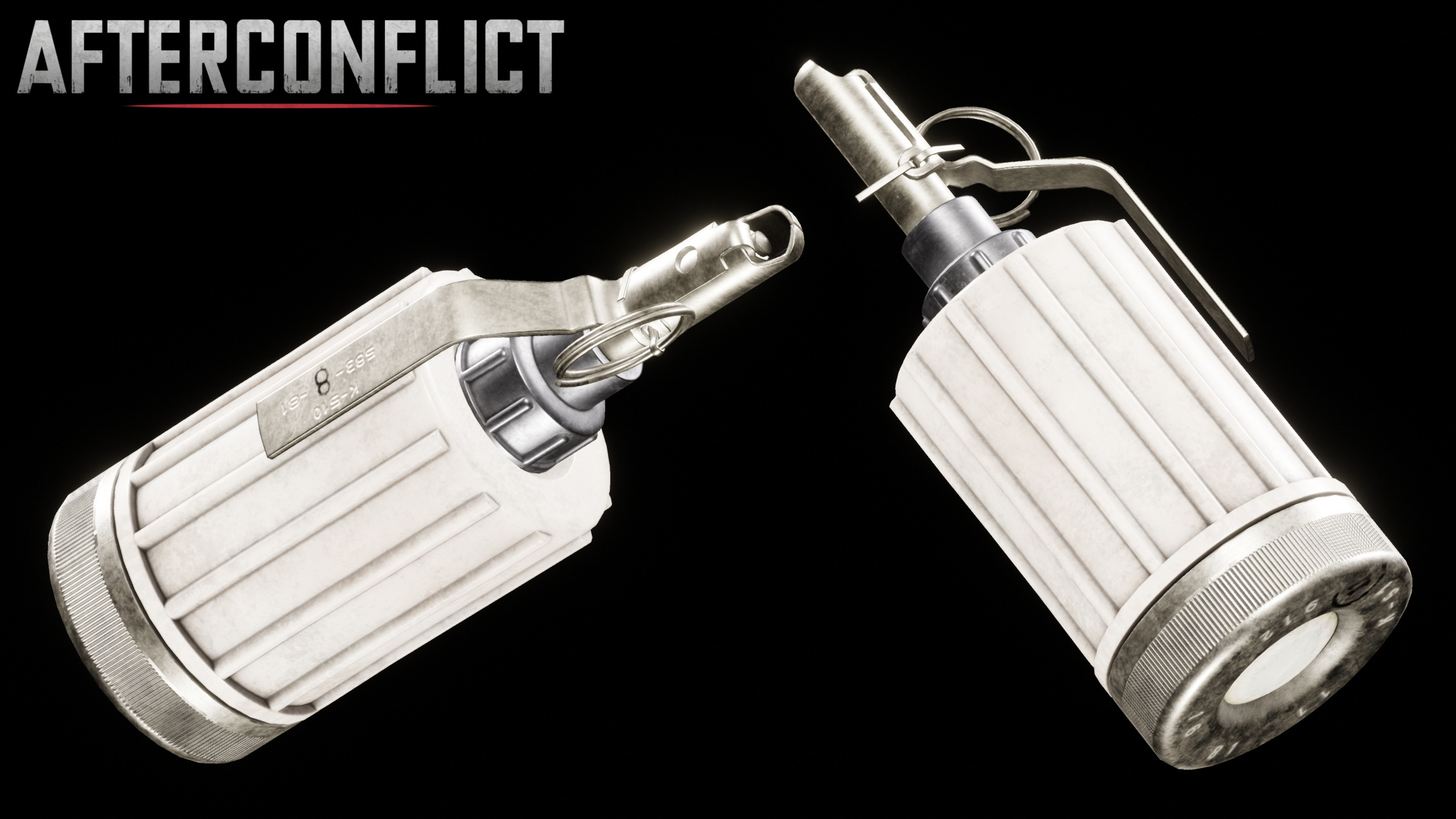
As far as grenades go, while we've shown off the aforementioned RGO before, one of our more unique new additions is the K-51 gas grenade.
Largely known for its use by Soviet authorities to subdue dissent during the various protests of the 1980s (most infamously in Tbilisi), the K-51 presumably contains the riot control agent 2-chlorobenzalmalononitrile, commonly known as CS gas, and is typically used to flush out enclosed positions or otherwise suffocate their occupants.
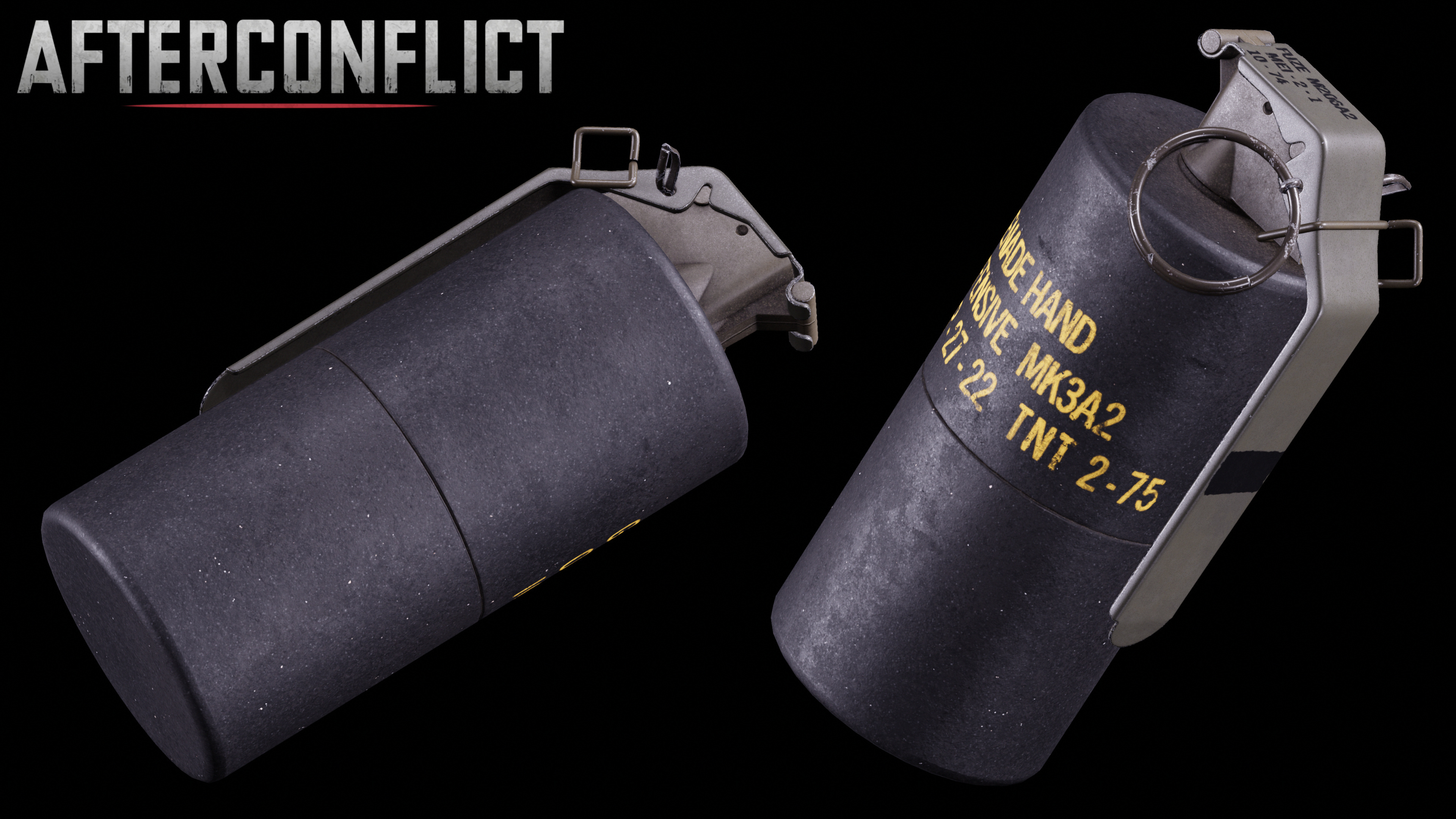
On the other side of the iron curtain however we have an updated model of that which some may also erroneously classify as a less-lethal weapon, the MK3A2 offensive grenade.
Commonly known as the "Concussion Grenade", while US infantry doctrine largely shifted to the M67 being used as the definitive universal lethal hand grenade, the MK3A2's asphalt-impregnated fibreboard construction and 8 ounces of TNT filling mean that while it may prove virtually useless when thrown on open ground, it is an absolute menace when employed during during room and bunker-clearing due to its lethal overpressure effects.
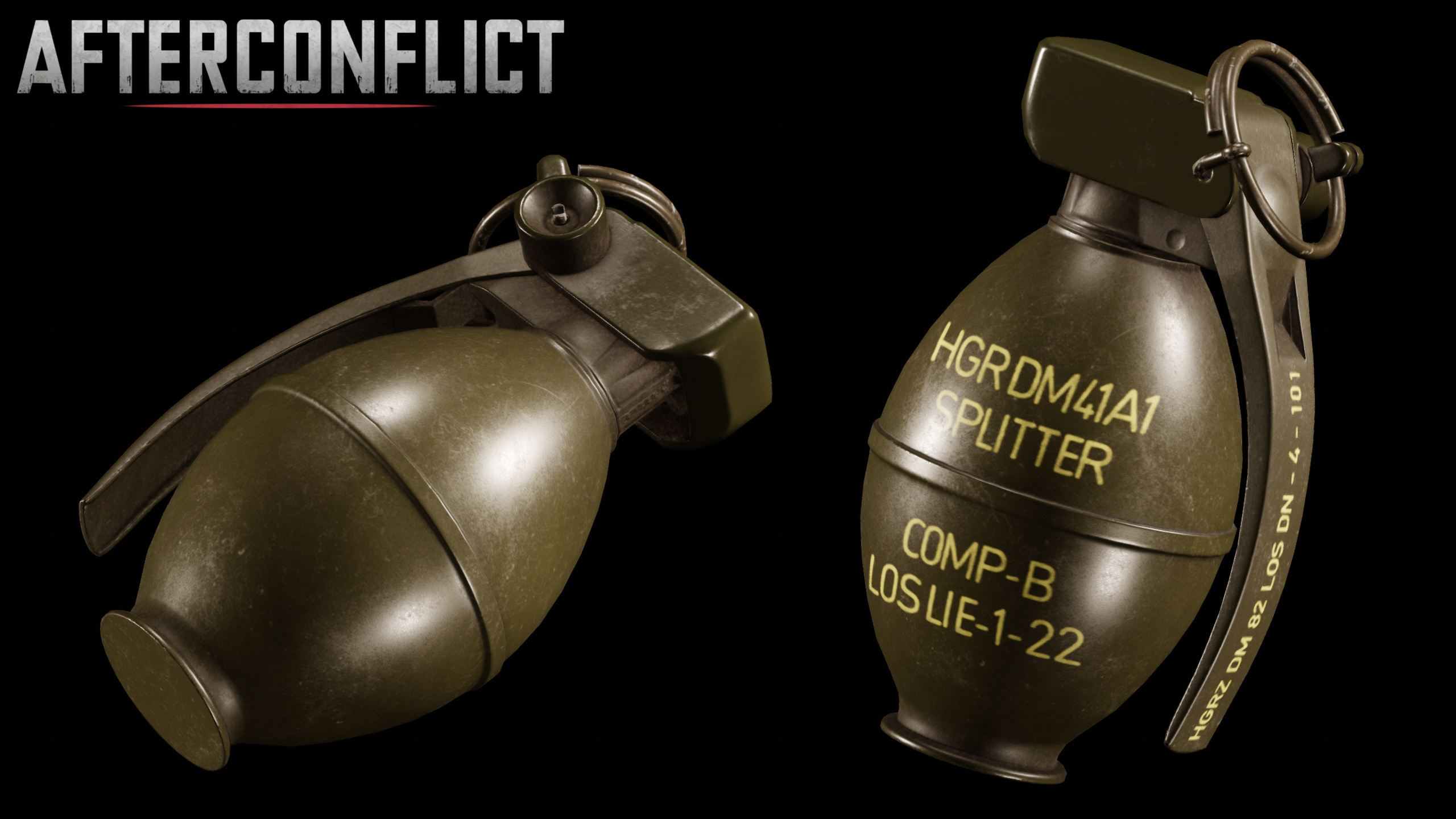
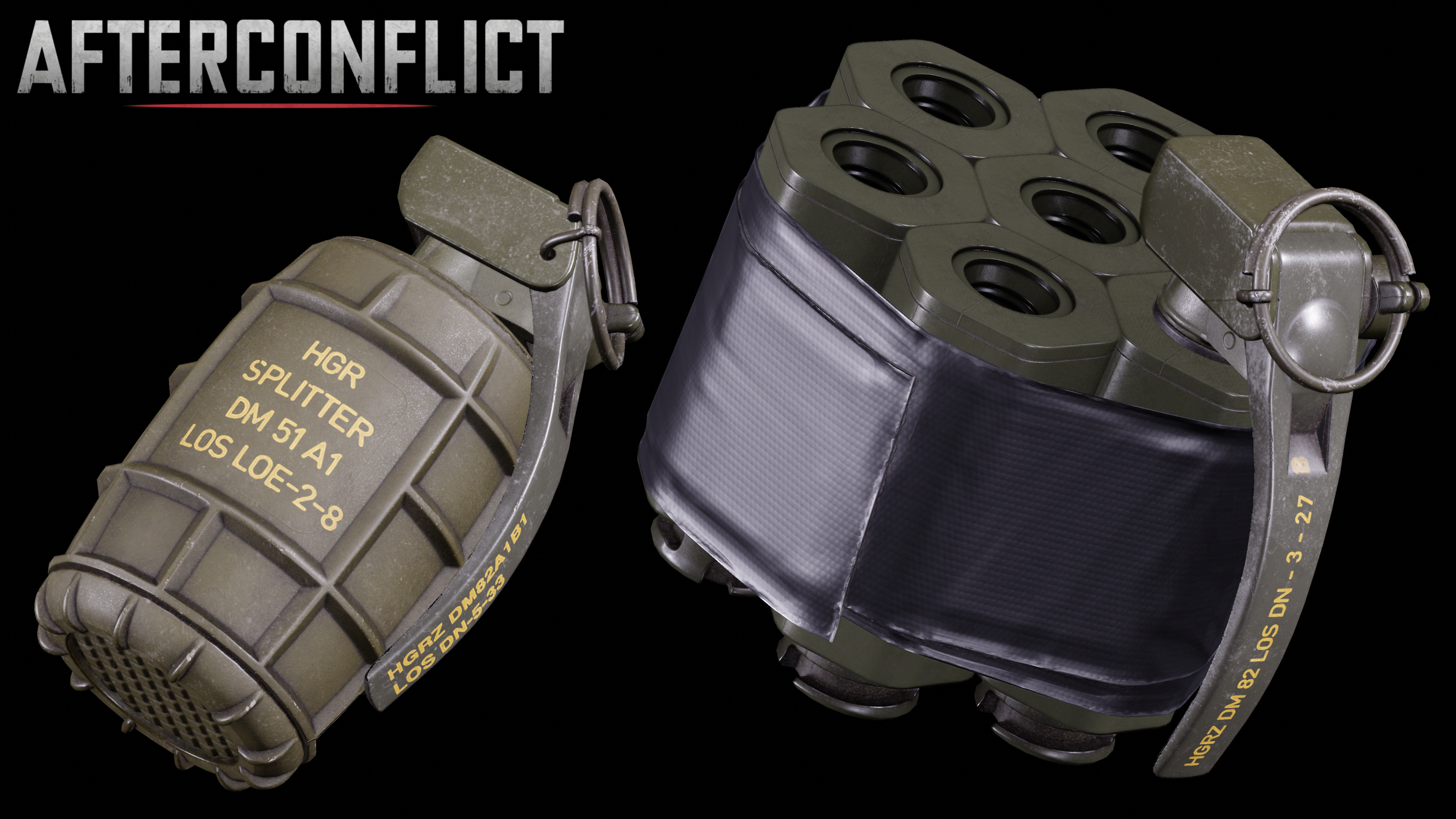
Speaking of more dated western grenade designs though, we have a West German oddity in the DM41A1.
As stocks of DM41 grenades dating all the way back to the early 60s continued to age (themselves being copies of the older American M26 grenade), by the late 1980s the Bundeswehr saw fit to renovate and modernise them for continued use, this was achieved by, in addition to the standard checks and procedures, replacing the DM41's original DM72 fuse with the DM82 fuse seen on the DM41's successor, the DM51.
Speaking of the DM51 however, while a only relatively minor upgrade with the addition of the DM82A1B1 fuse, we also have the DM51's late-80s modernisation in the form of the DM51A1.
Alongside it we also have a stalwart piece of modern German military tradition in the DM51 Geballte Ladung (Bundle Charge); initially devised with the initial models of the Stielhandgranate during the First World War, by the Second World War the use of the Stielhandgranate 24 as a Geballte Ladung had effectively become standardised, and while by the Cold War its role as an anti-tank weapon had largely diminished, the DM51's modular nature enables the Geballte Ladung's continued use, largely in anti-fortification roles.
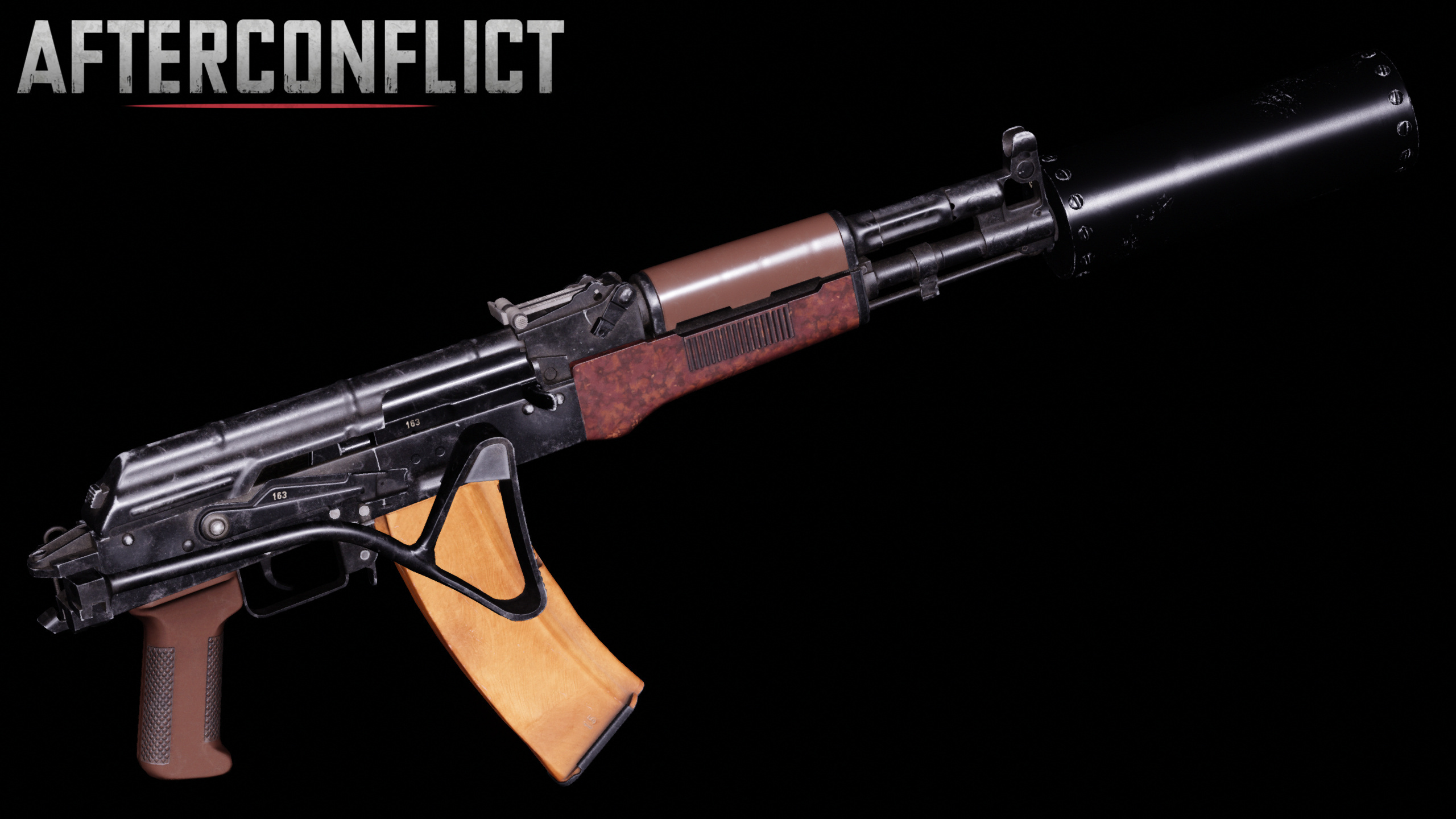
For those who may be after some more subtle German ordnance we have an example of just that from the East in the form of the East German production AK suppressor (or Schalldämpfer in German).
Nothing much is actually known about the DDR's home-grown suppressor due to its rather (likely intentionally) furtive origins, what we do know however is that it was serially produced, utilised by clandestine organisations domestically, offered for export on rifles such as the 7.62 STG AKMS-K, and that it also fits on the 5.45 MPi-AKS-74NK on account of them sharing the same thread for muzzle devices.
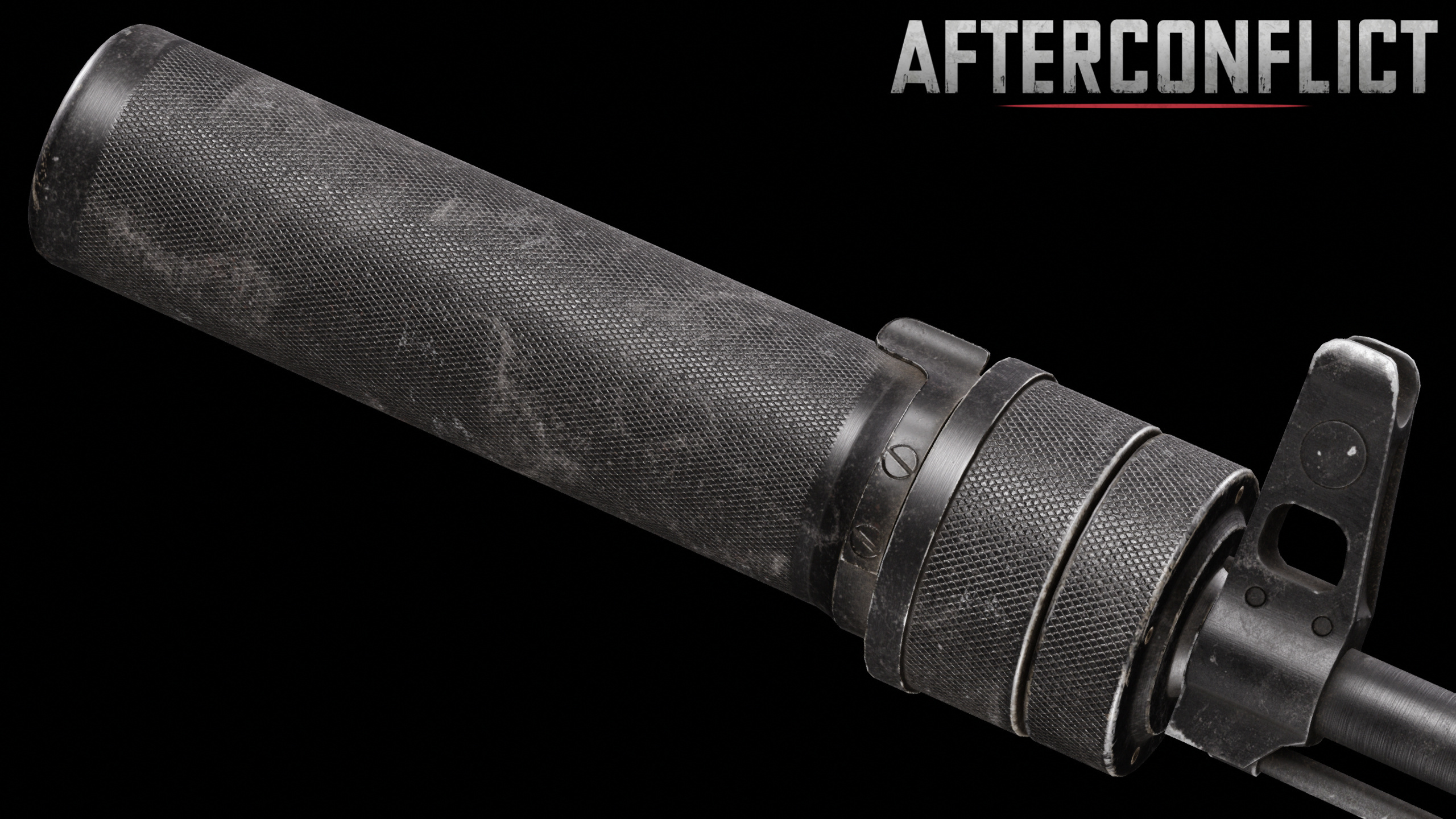
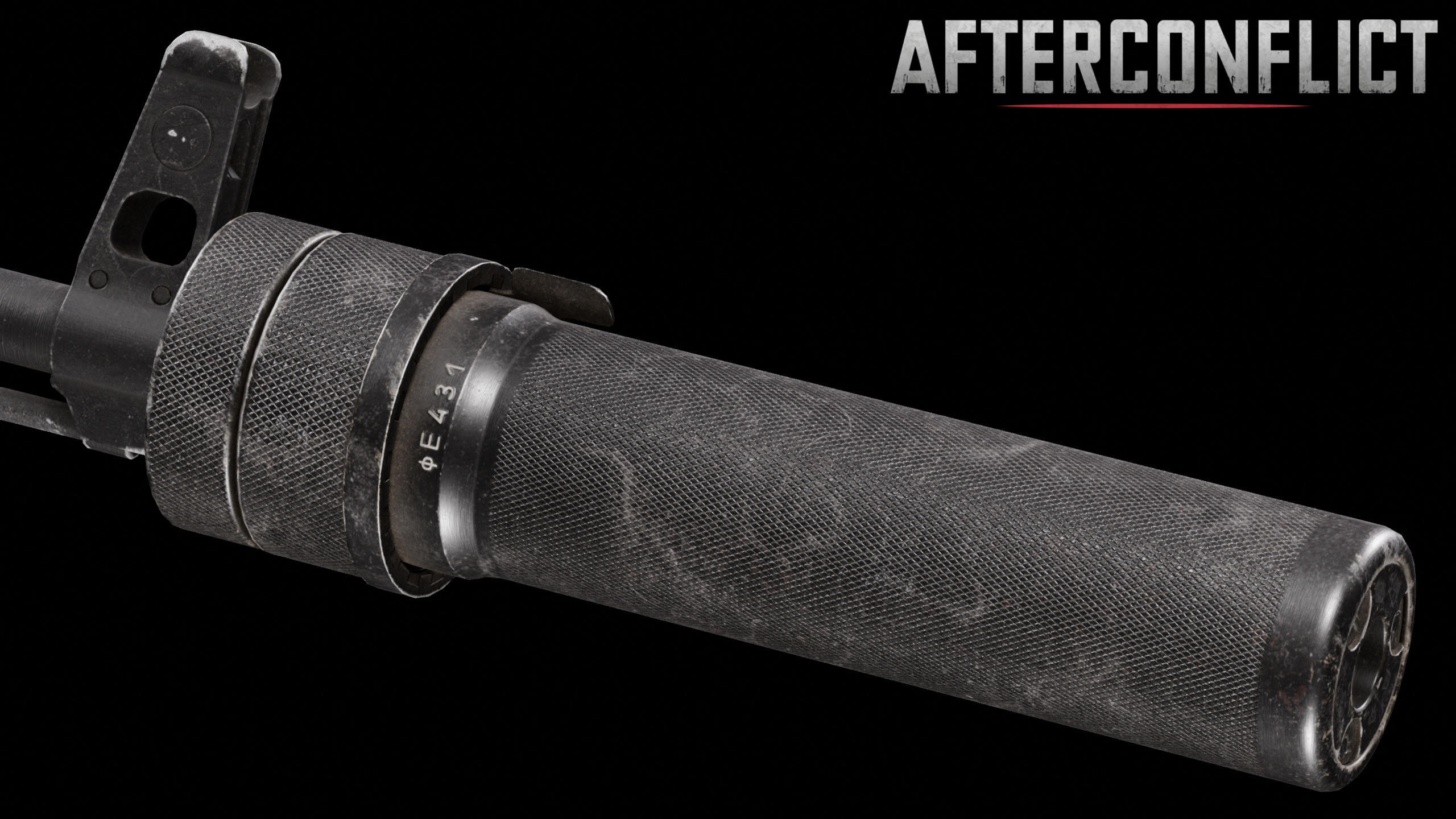
For those who are bigger fans of the Warsaw Pact's de-facto standardised suppressor however (as exported by the Soviets to those they trusted enough not to misplace them), we also have a model update for the PBS-1.
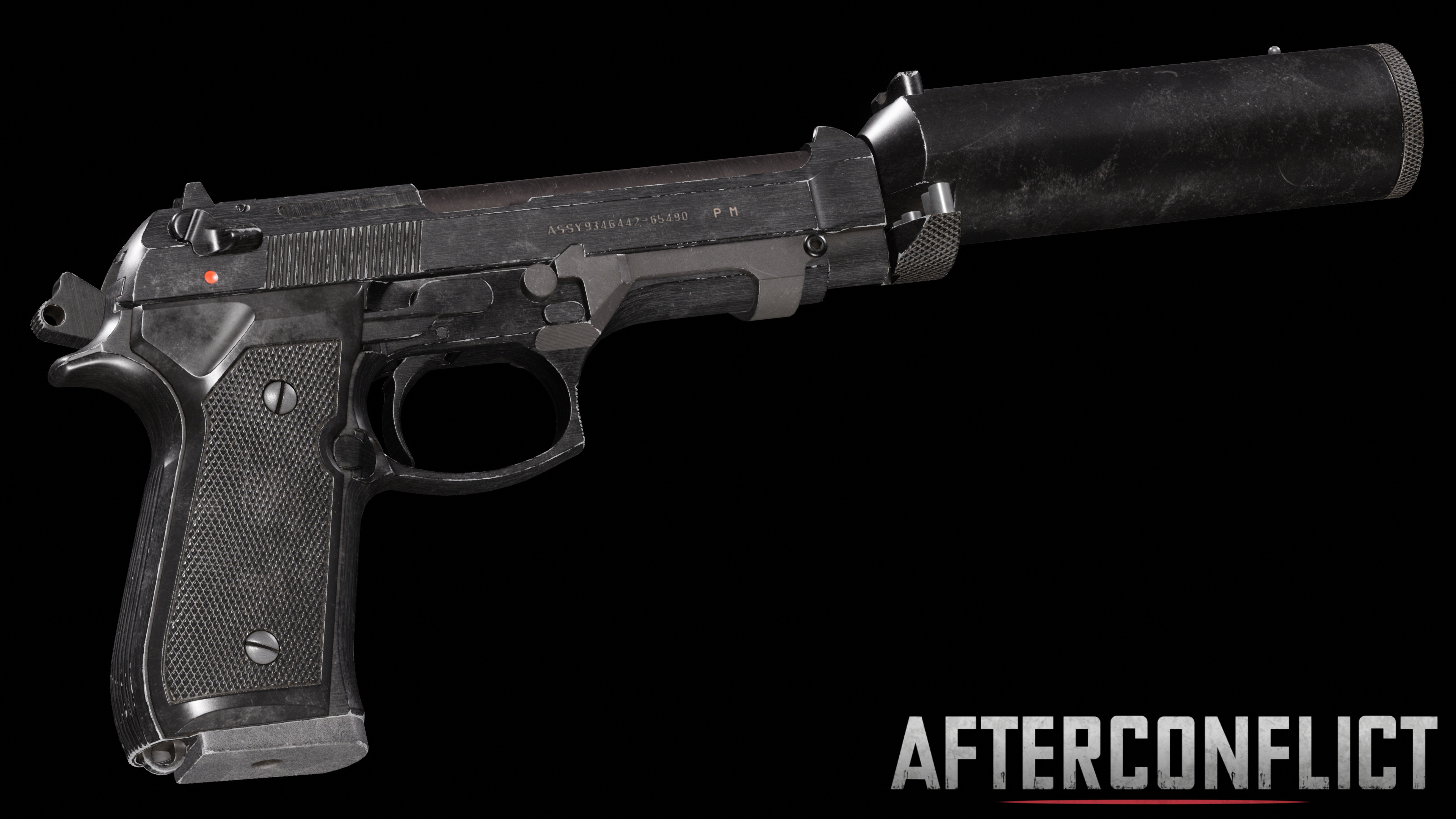
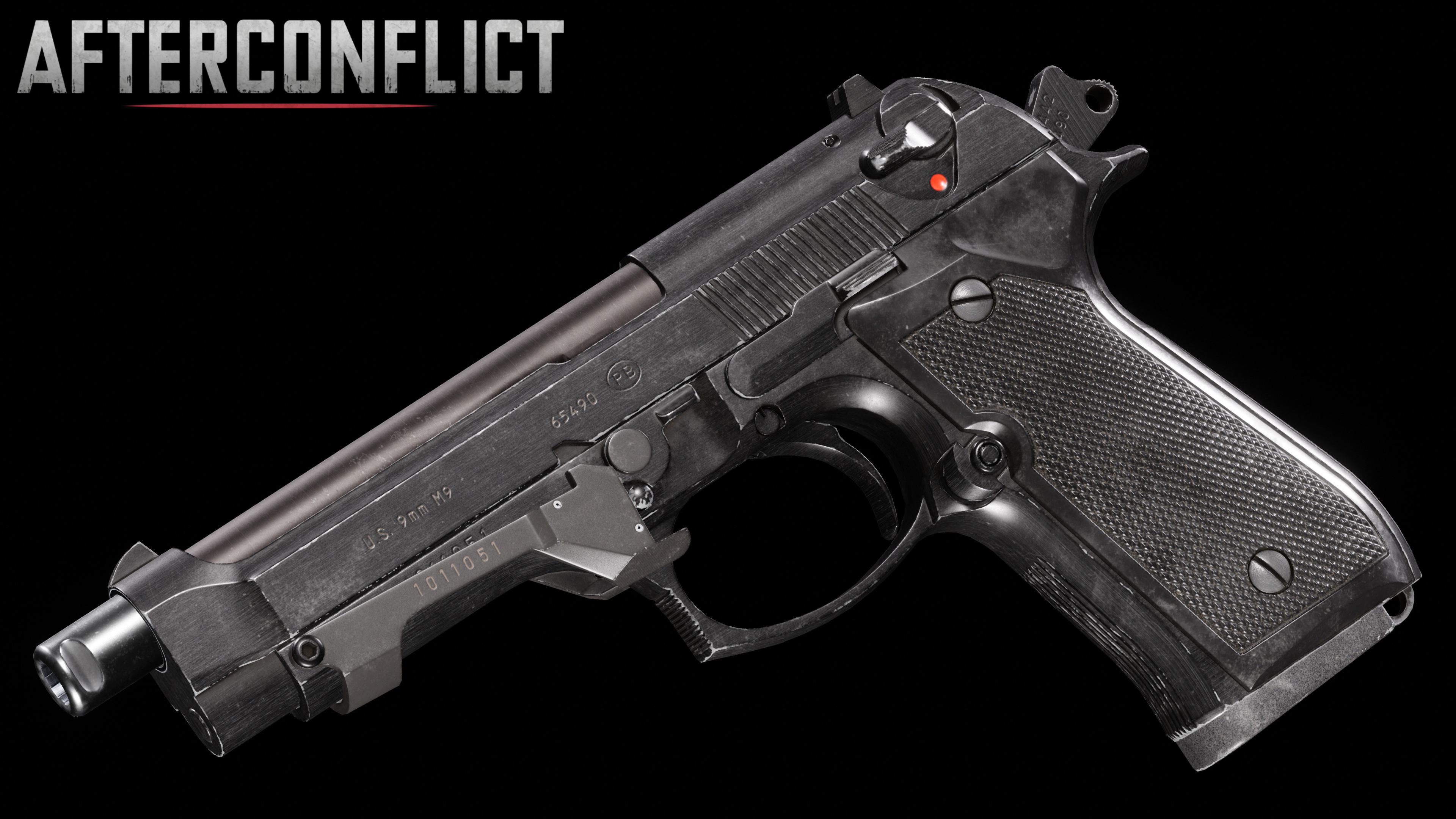
But do not think we'd show these off without a Western reply, and to that end we have something particularly special in the XM-9 Suppressor.
A successor to various models of wipe-based suppressed pistols, most notably the American Mk 22 Mod 0 of SEAL team fame, the XM-9 is a relatively simple, functional kit comprised of the suppressor, modified barrel, and slide lock, which can be fitted to virtually any M9 pistol by a competent armourer.
Within the US military, the XM-9 has found usage by a variety of units, from its main user in the US Air Force intended for pilots that find themselves in SERE situations, to a variety of US Army operatives; whether in a desert or on an offshore platform, the XM-9 unpretentiously fills the role of making the US military's standard pistol capable of making a silent takedown in a CQC environment.
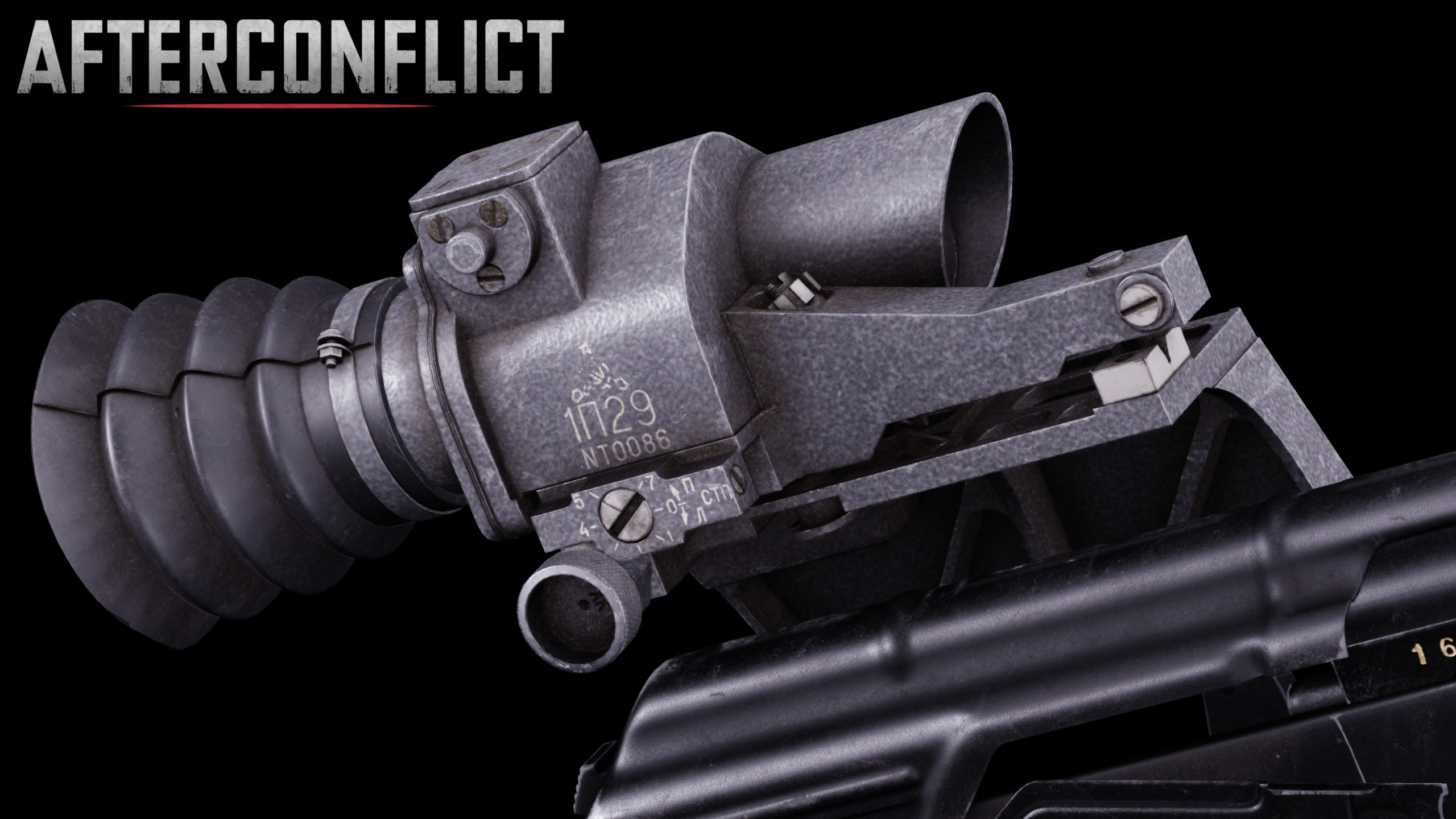
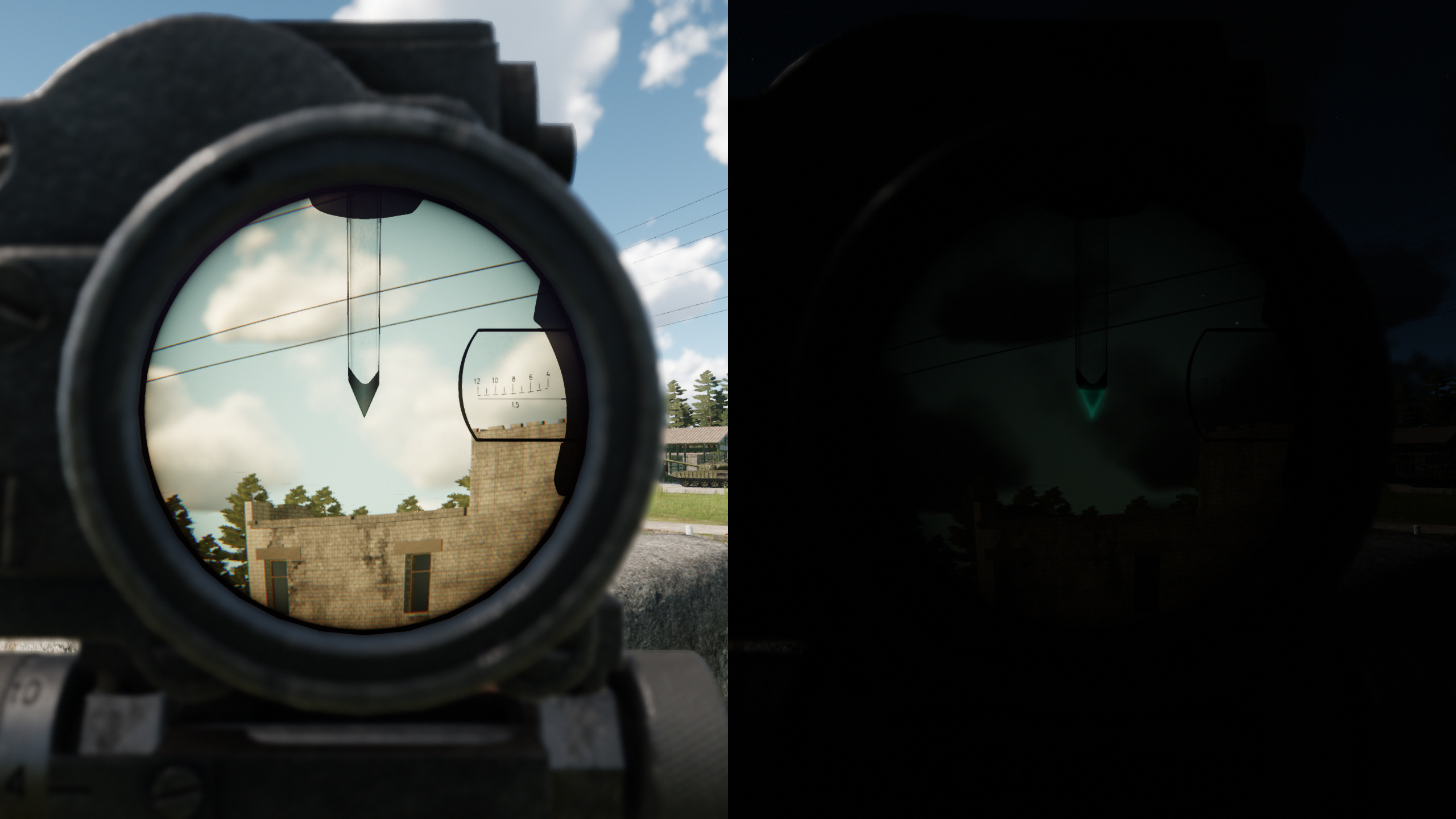
But building on some of the other model improvements mentioned earlier, in addition to improving the model of our 1P29 scope, we've also improved its reticle!
Being a blatant copy of the British SUIT sight, the 1P29 is similarly far less practical in reality than in theory, and while it was theoretically intended for mass-issue, a combination of factors precluded it from being so, including dissatisfaction with the inverted post design which had already been "corrected" with the British SUSAT sight around the same time, which had become standard on the then-new SA80 family.
Despite these factors however, the 1P29 remained effectively the only ostensibly "modern" Soviet small arms optic design, as owed to its general ease of use, tritium-illuminated reticle, inclusion of a diverse set of ballistic cams for all common domestic platforms, etc.
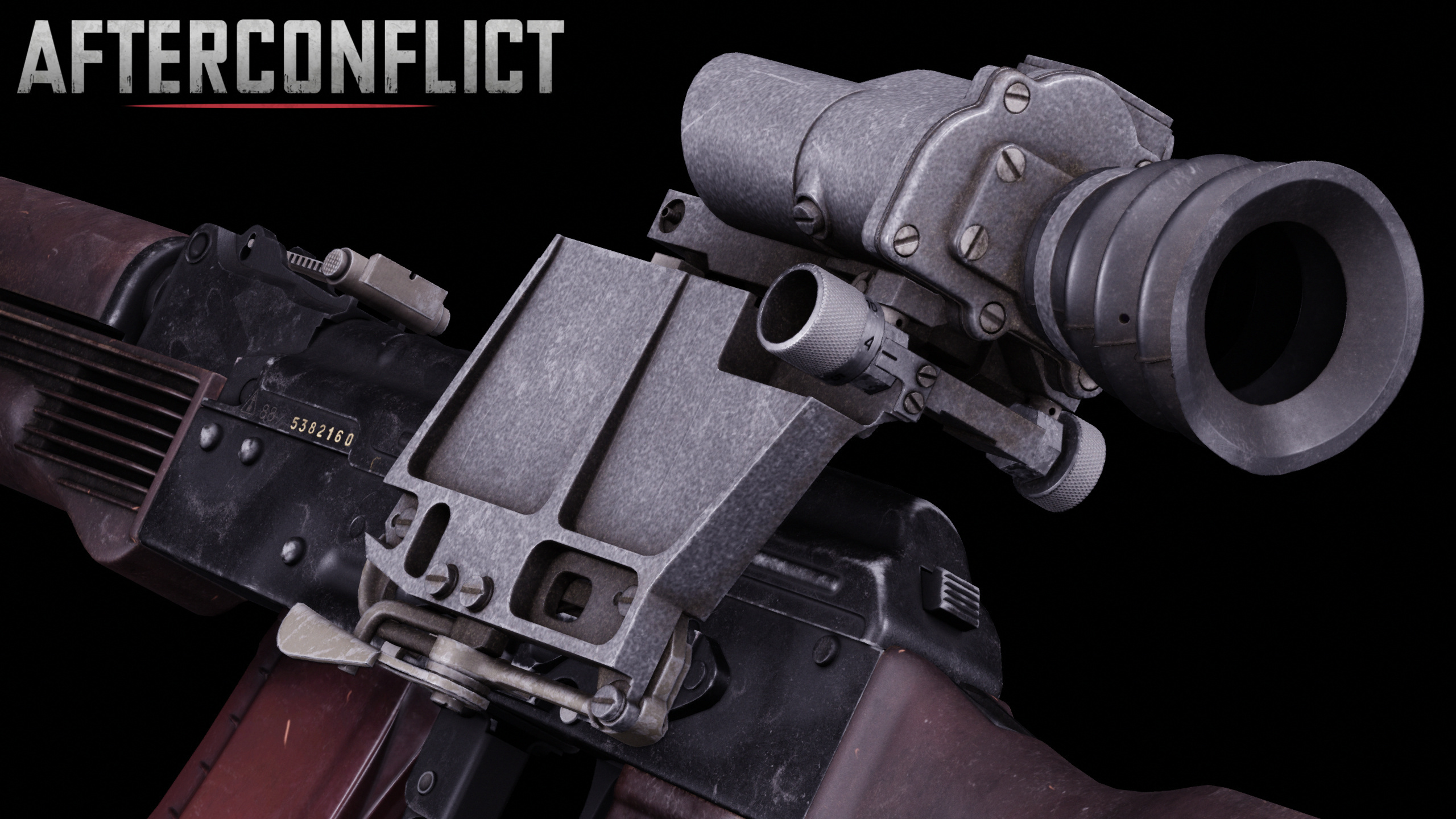
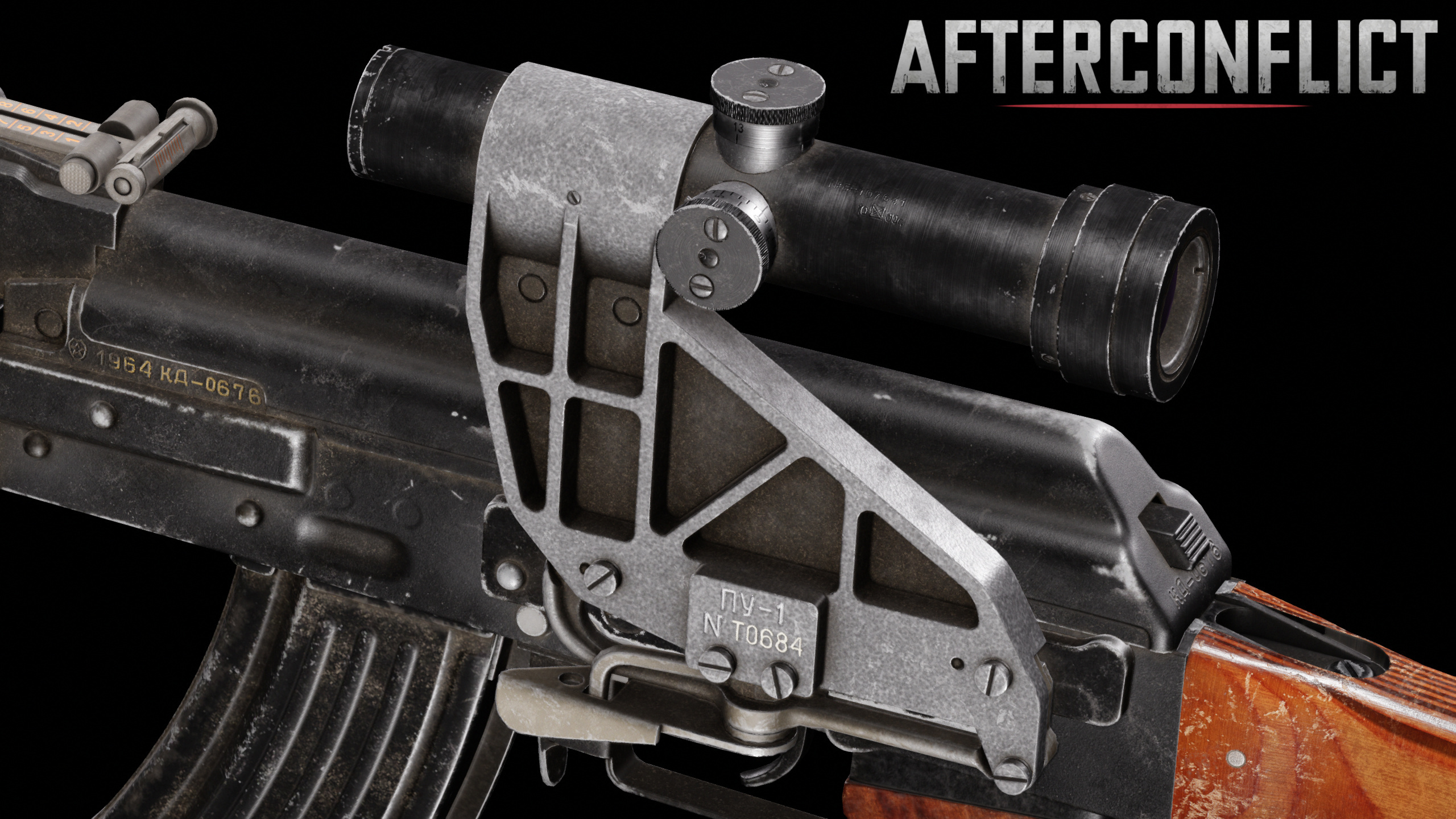
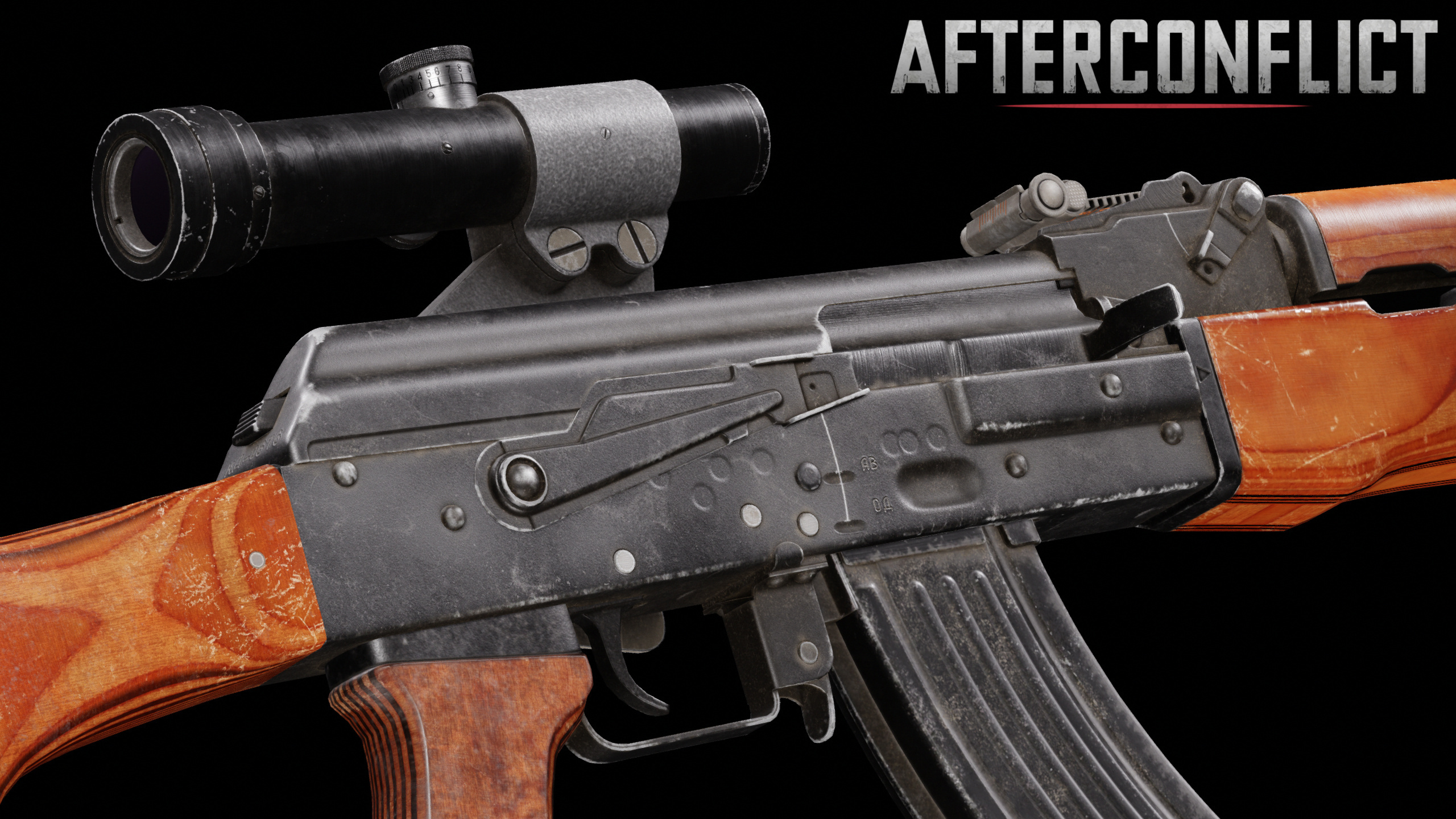
Something more distinctly Soviet however is the PU-1 scope system.
Built due to a shortage of daytime scopes needed for fighting in the mountains of Afghanistan, the PU-1 is, for all intents and purposes, just a WW2-era PU scope taken out of storage, sent to a depot, placed into a new, serialised mount, then prepared to be shipped to a theatre that it never ended up actually reaching.
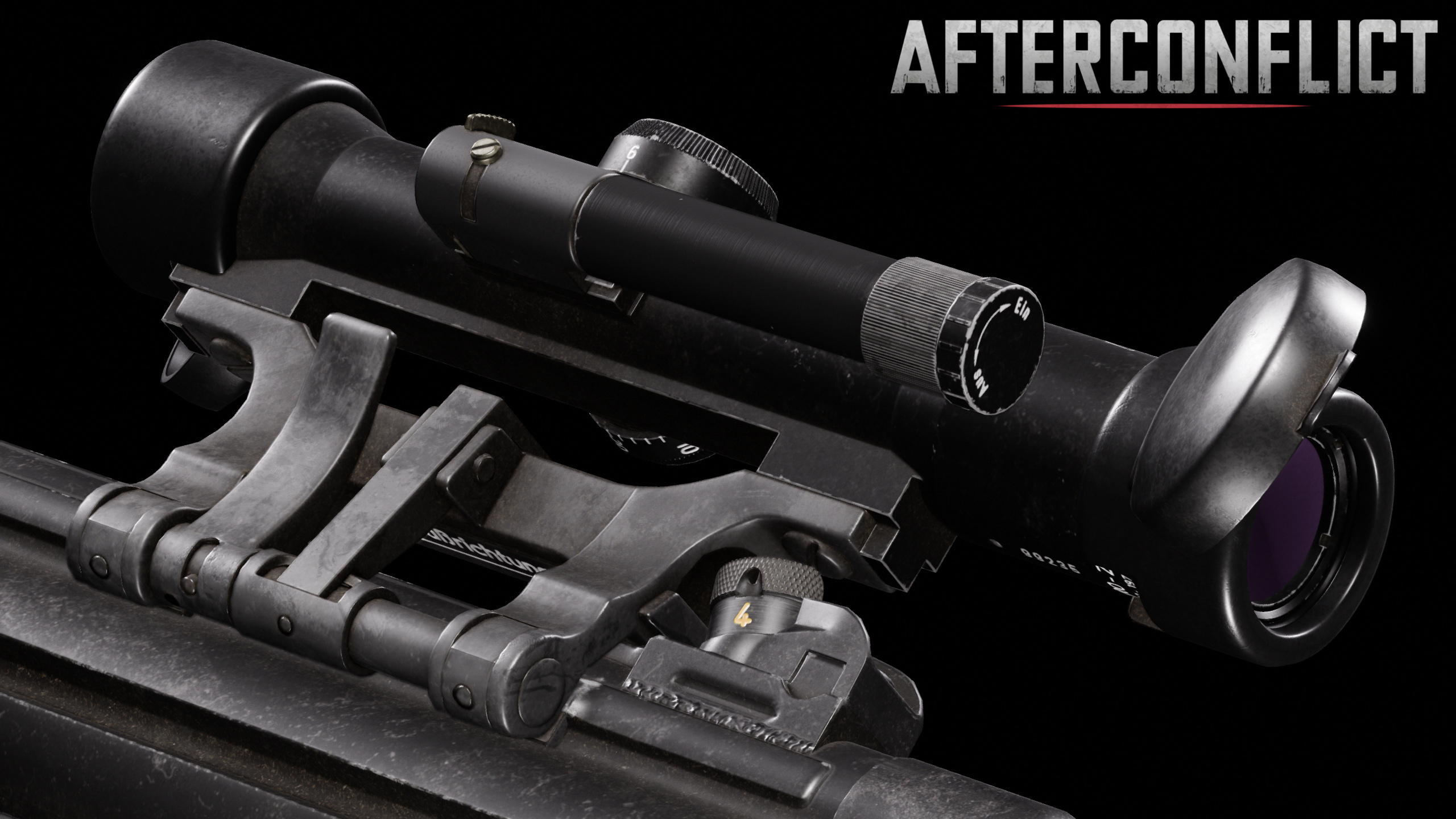
Conversely, the Germans are well known for producing some of the best optical instruments in the world, and among them one of the more rugged examples of the 1980s was the FERO-Z 24.
An improvement on the prior Modell 1 and Modell 2 G3 daytime scopes (themselves existing downstream of the WW2-era ZF4 scopes originally intended for issue on the G43), the FERO-Z 24 is clear, functional, plentiful, and able to be fitted with the Bundeswehr standard battery-powered reticle illumination module for firing in duller and darker environments.
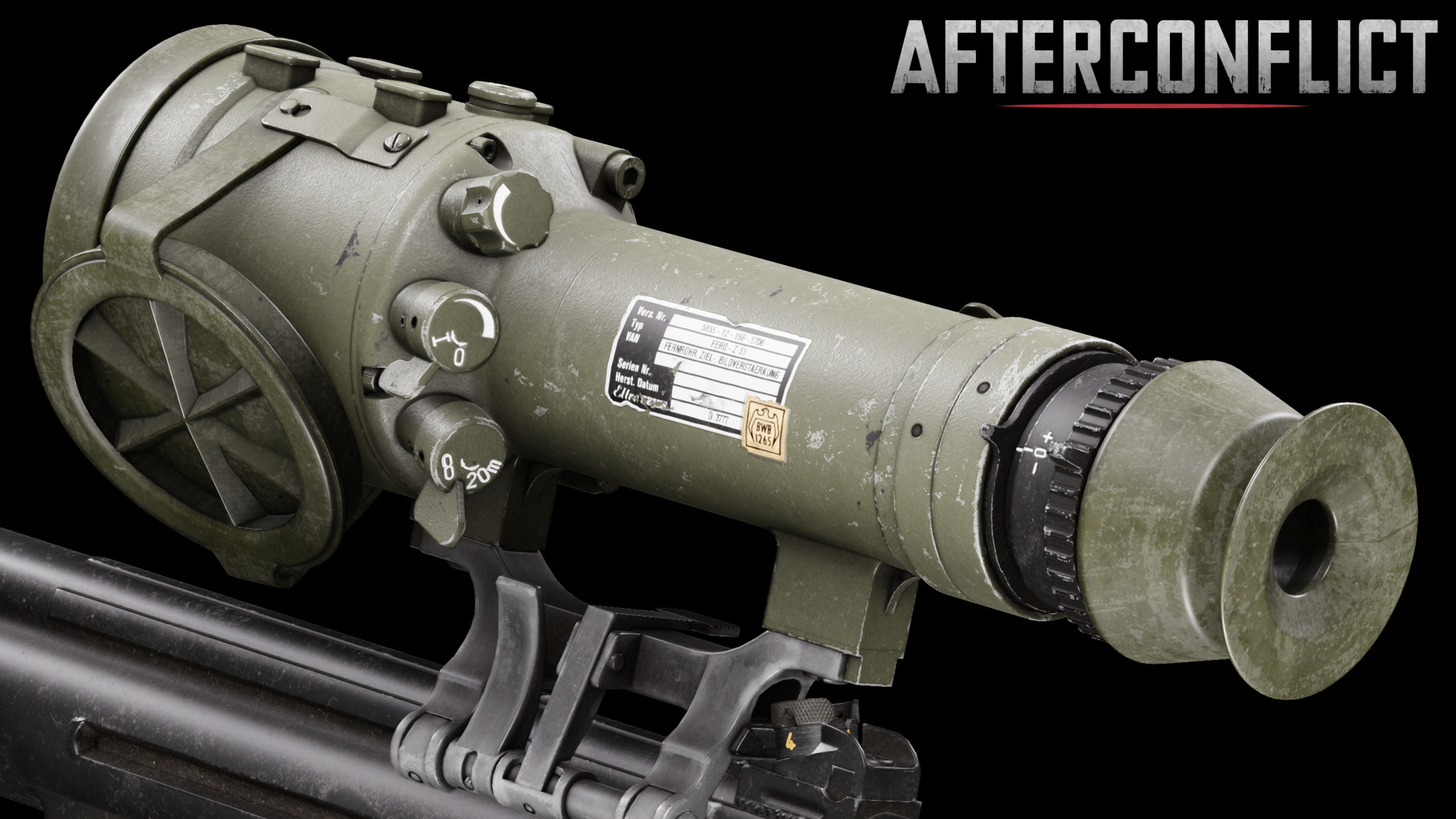
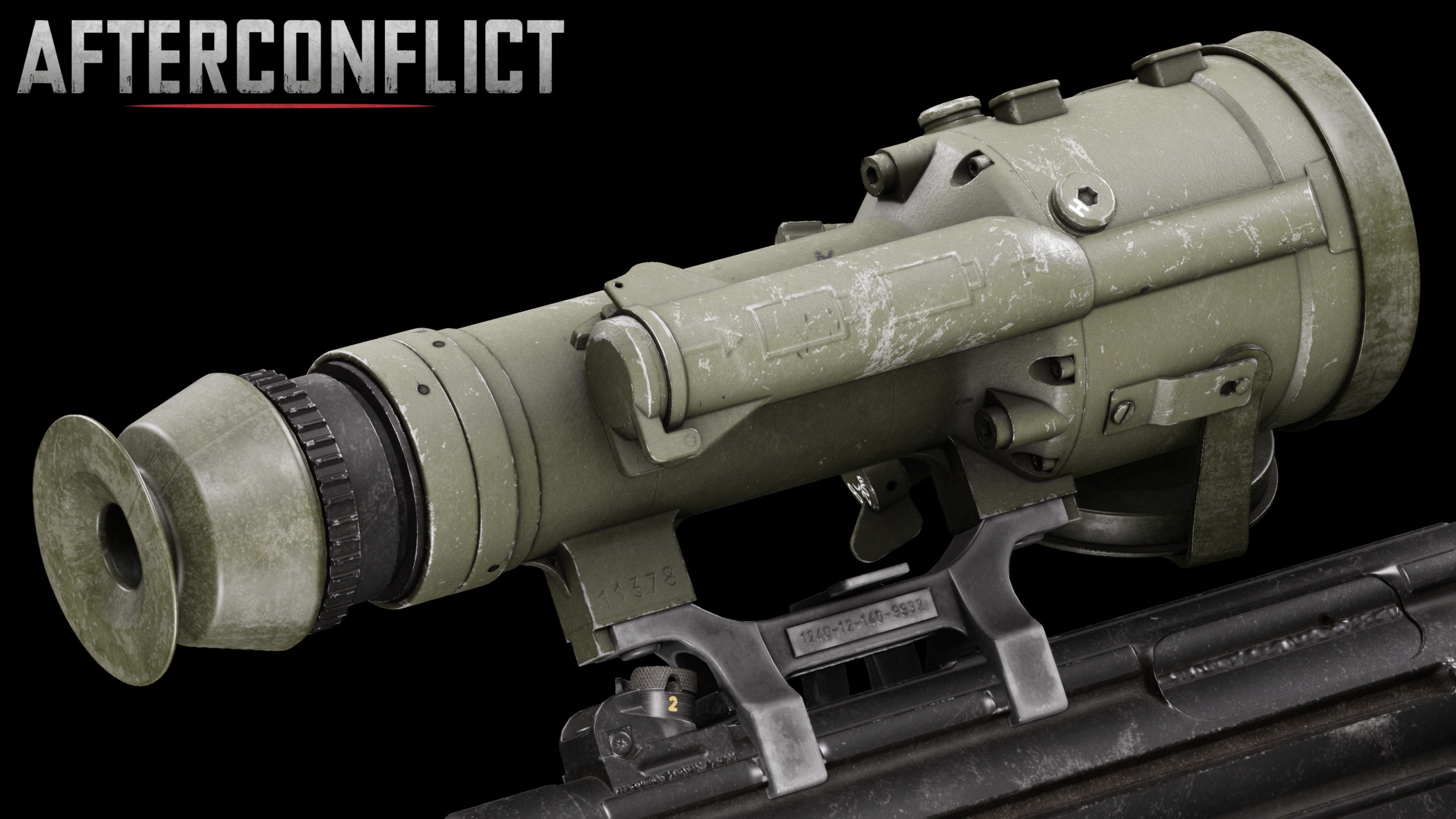
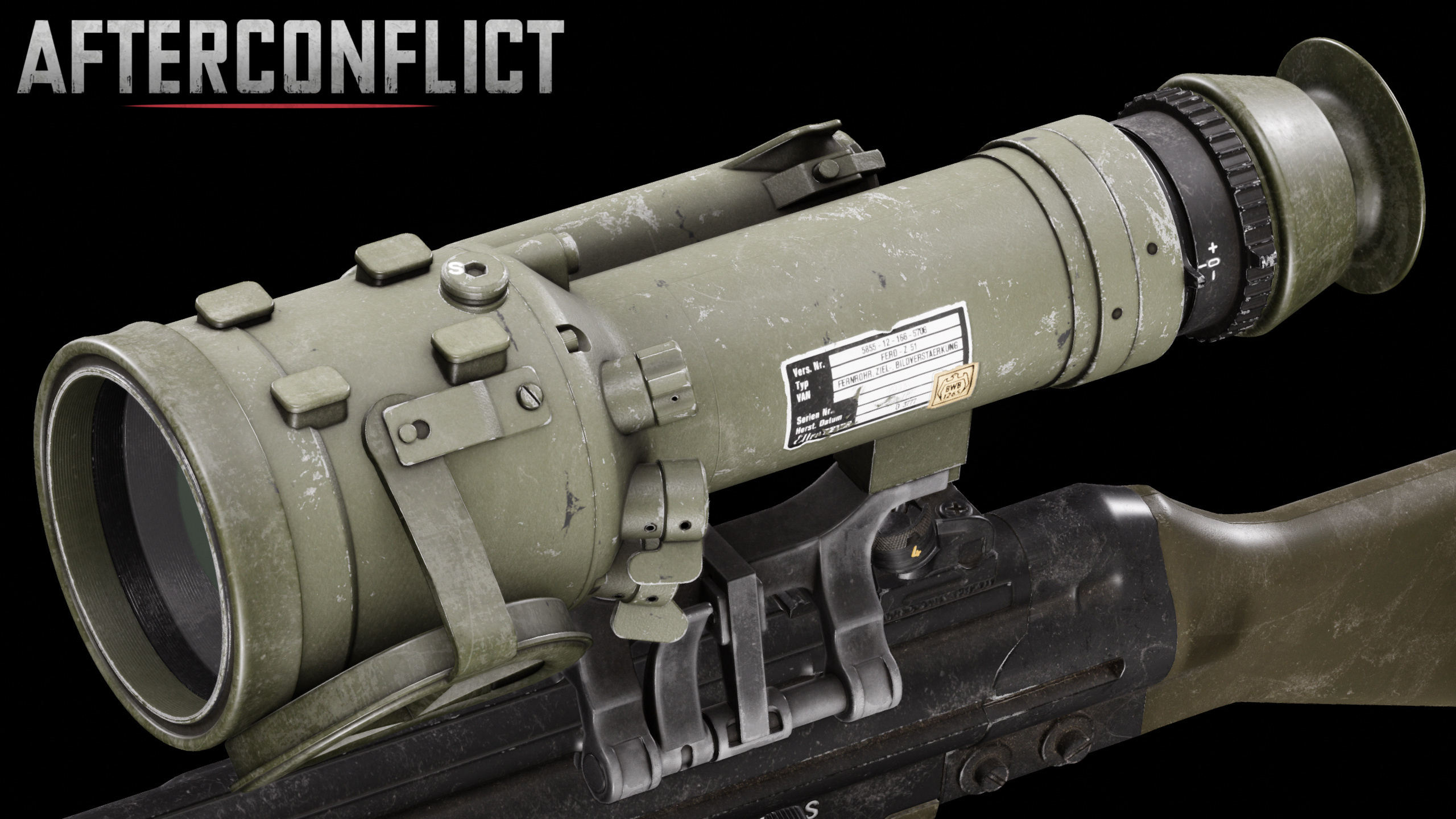
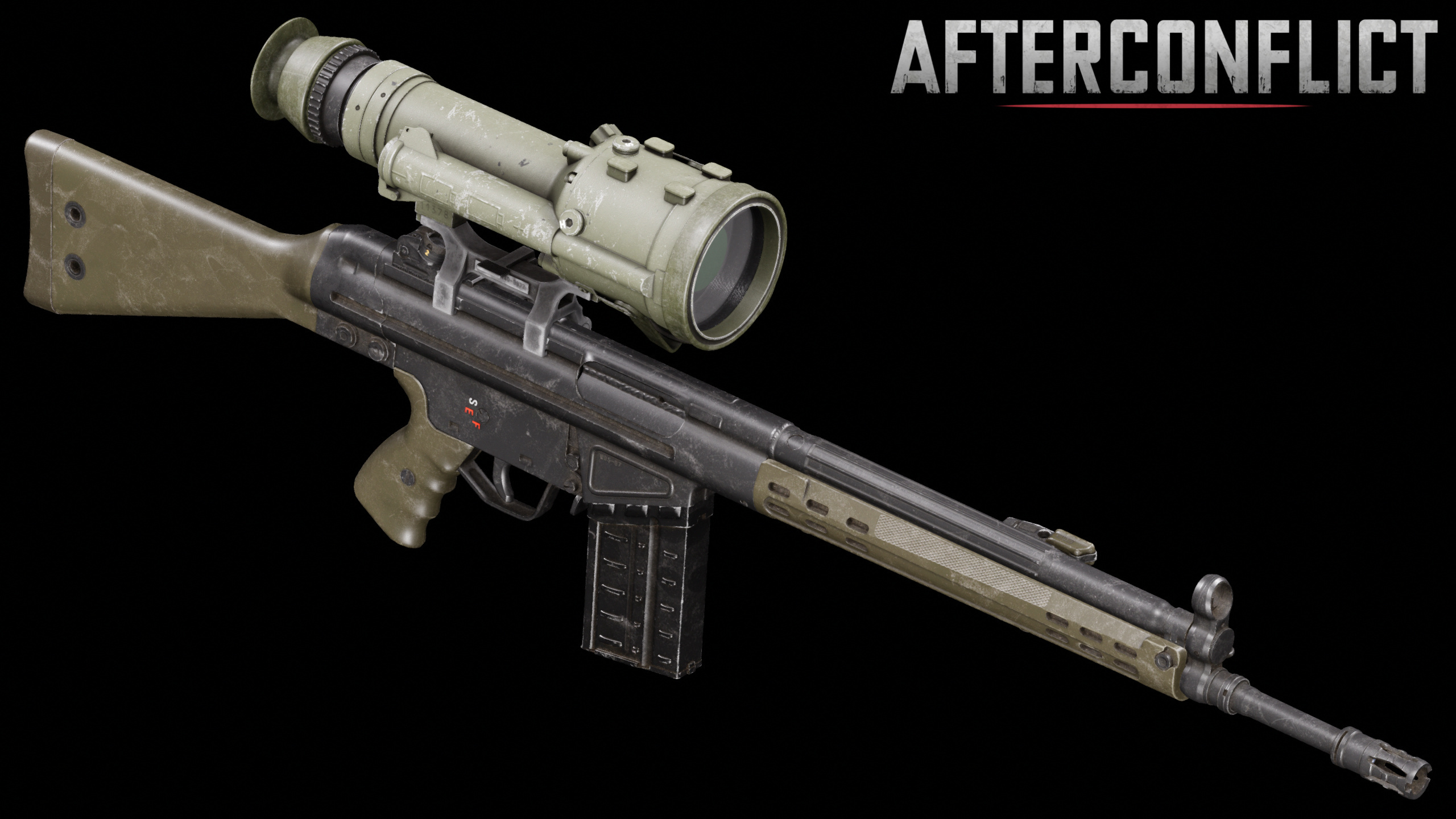
While the FERO-Z 24's illumination allows for its continued use in twilight conditions, for the night itself, the FERO-Z 51 is the preferred option.
Being the West German answer to the American PVS-4, its standardisation was a large step in improving the Bundeswehr night-fighting capabilities, namely by replacing the Eltro B8-V, which was comparatively primitive.
Speaking of both modern and primitive night vision devices however, something that didn't quite get into our last development update: The TPN-1 night sight.
The TPN-1 is something that very much exists in polemical terms in terms of what we have in Afterconflict; with regards to an addition we will be speaking of in a minute, the TPN-1 came into existence as a relatively advanced system for the time of its introduction in the late 1950s and early 60s, however by the time of the T-72B's introduction in the mid-80s the TPN-1 was an absurdly antiquated relic, and while it was SUPPOSED to be replaced by the TPN-3 on said T-72Bs, in reality the TPN-1 was often fitted in its stead.
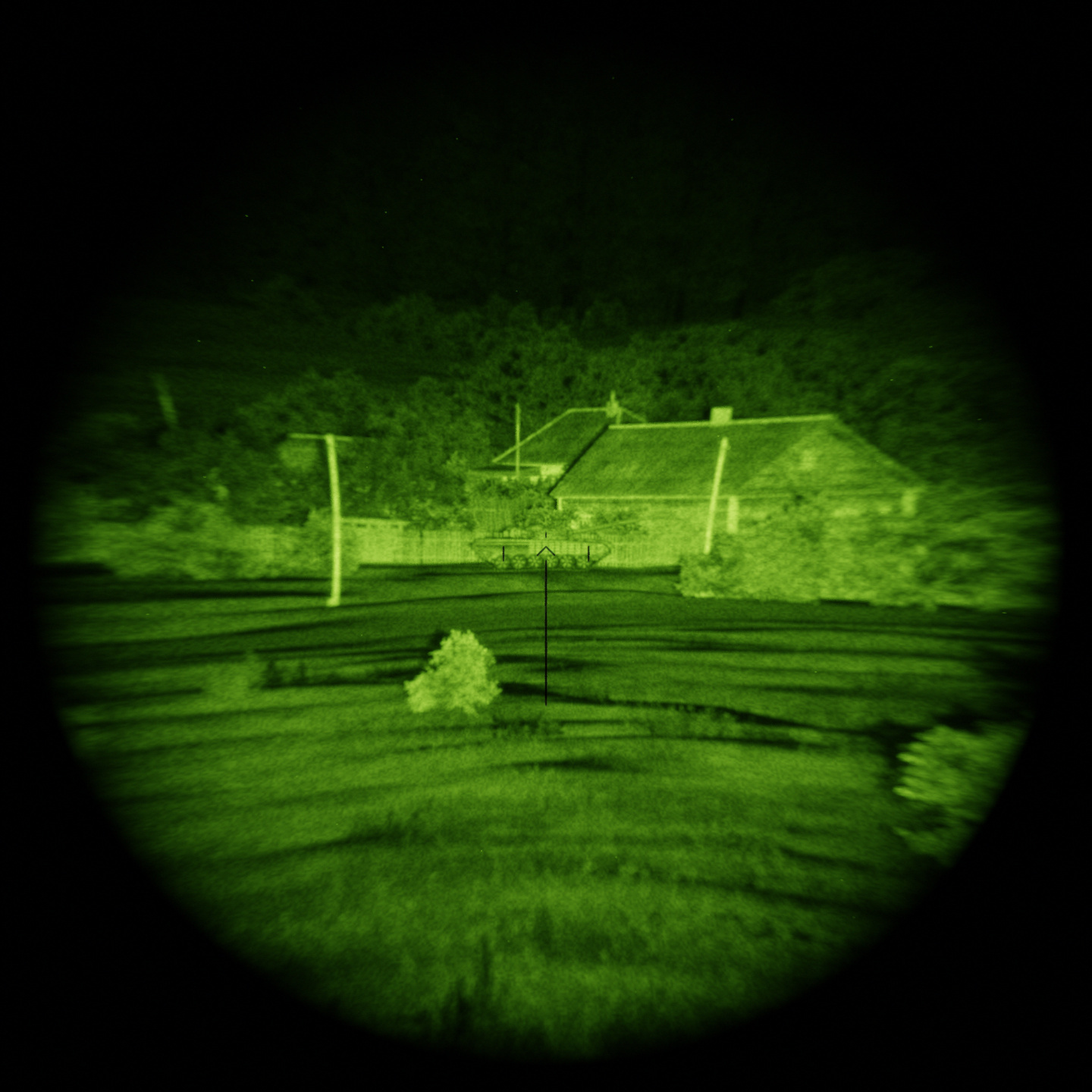
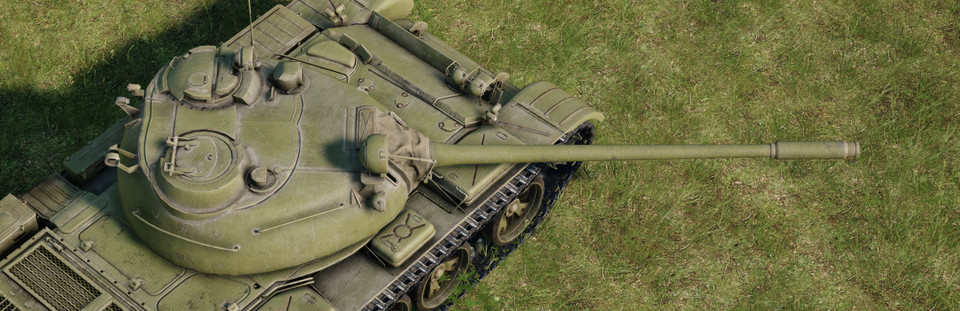
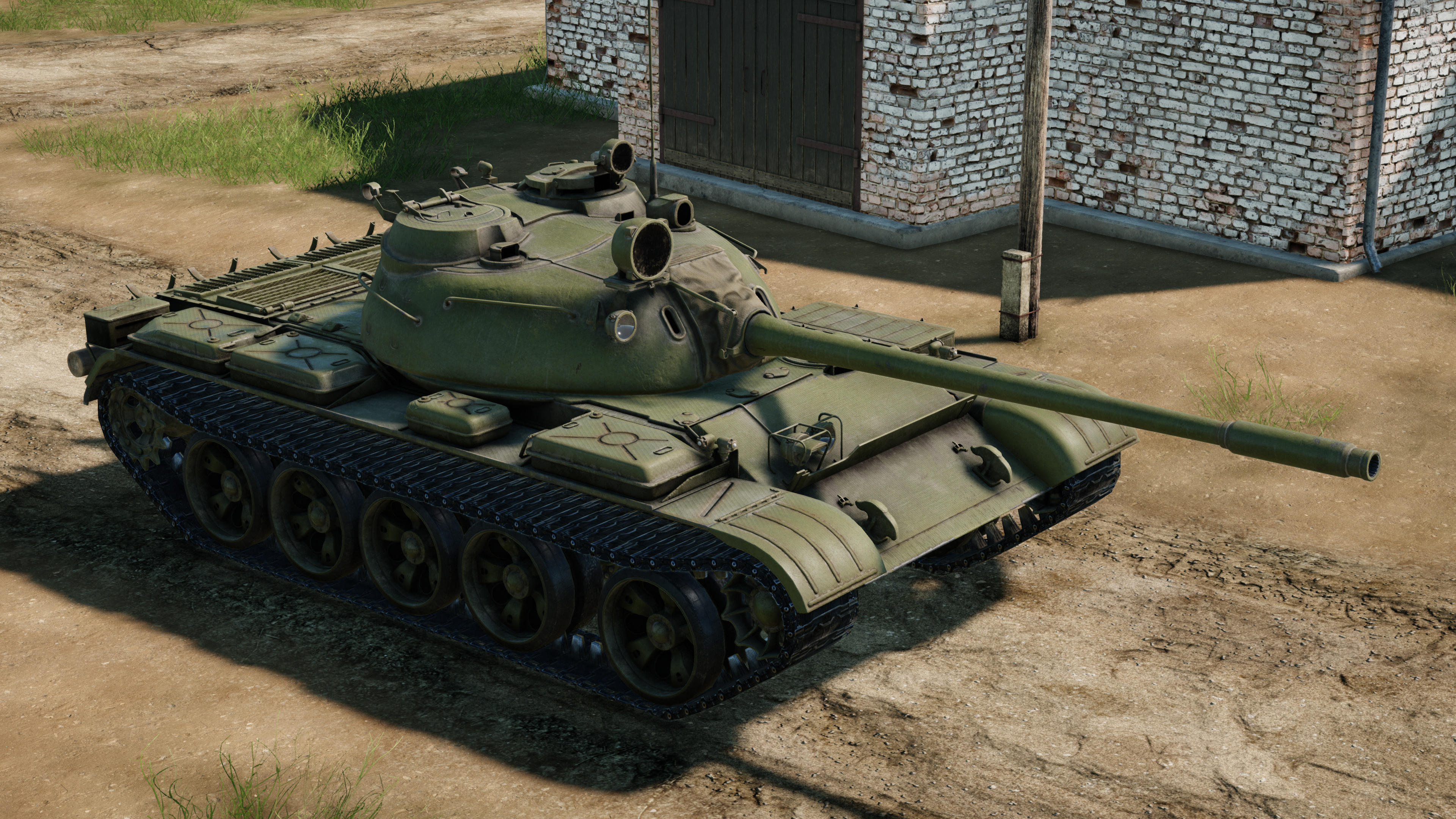
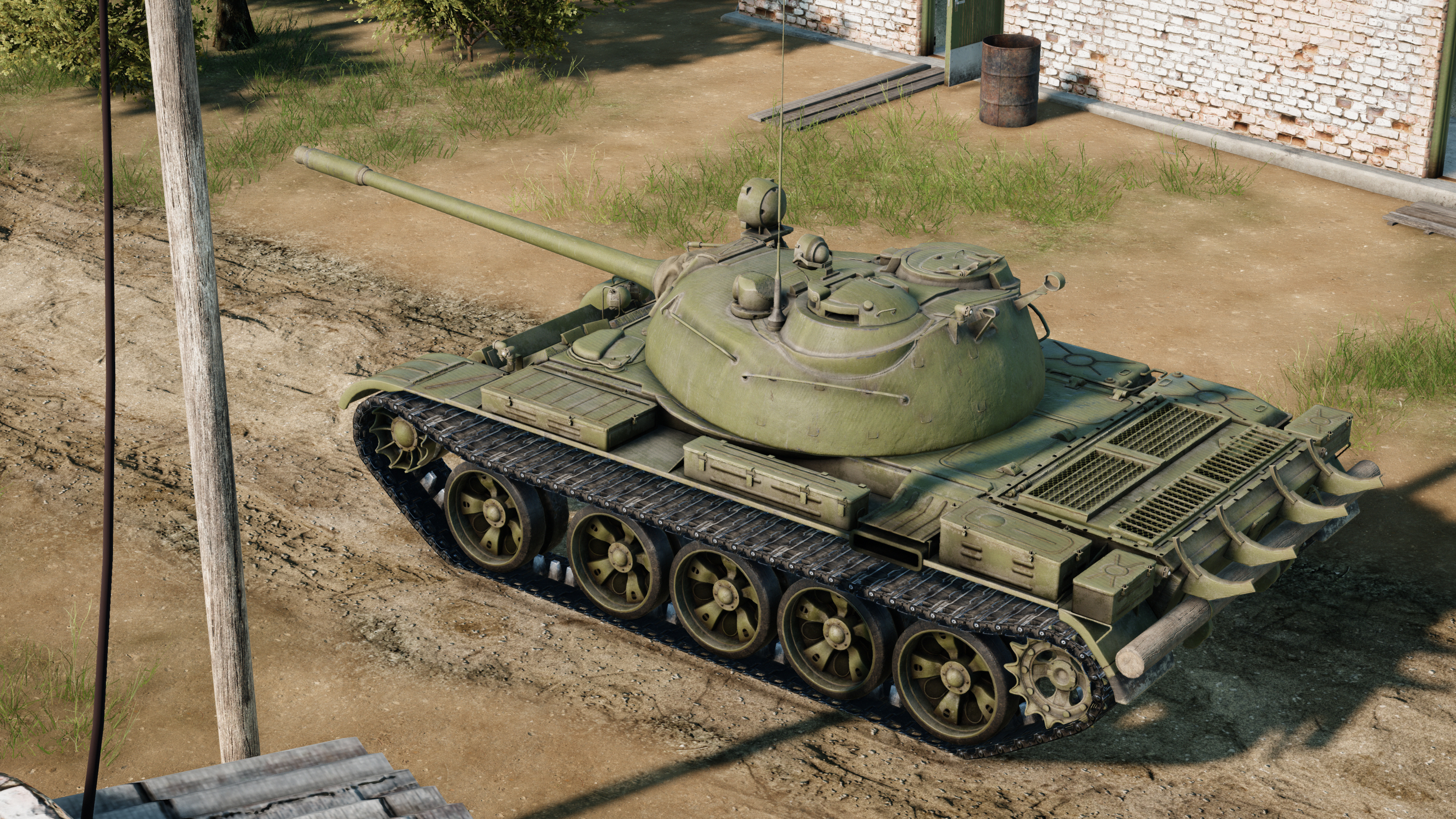
The T-55 similarly follows the trend of being relatively advanced for the time that it first came around, only to be gravely out-dated by the mid-to-late 1980s where it was still in service to the direct detriment to those having to use it.
Being in such predominant use across the Warsaw Pact, various other variants of the T-55 will be available in Afterconflict, so keep an eye out for them in future (and keep in mind how to best work around their deficiencies).
To round out this update with a simple addition that you can look at in-game right now, we've finally updated our BMP-2 model to be in line with the quality of our other in-game vehicles, so go give it a look!
If you have any particular ideas or suggestions regarding anything you've seen in this development update, do be sure to tell us your thoughts!

On our Discord server we discuss everything from the game and Cold War history to posting photos of hedgehogs!
If you wish to keep up to date with all Afterconflict updates, be sure to follow our X/Twitter feed too.
As Ever: Stay Tuned!