
May 30, 2026
Development Update 22
We're a good ways into 2026 at this point, so we figured we'd write up a new development update to fill you all in on what we've been up to since the new year; while a lot of it is more technical in nature we have no doubt you'll be interested in hearing about it.
So, whether you're into submachine guns or the inner workings of game engines, let's get on with it!
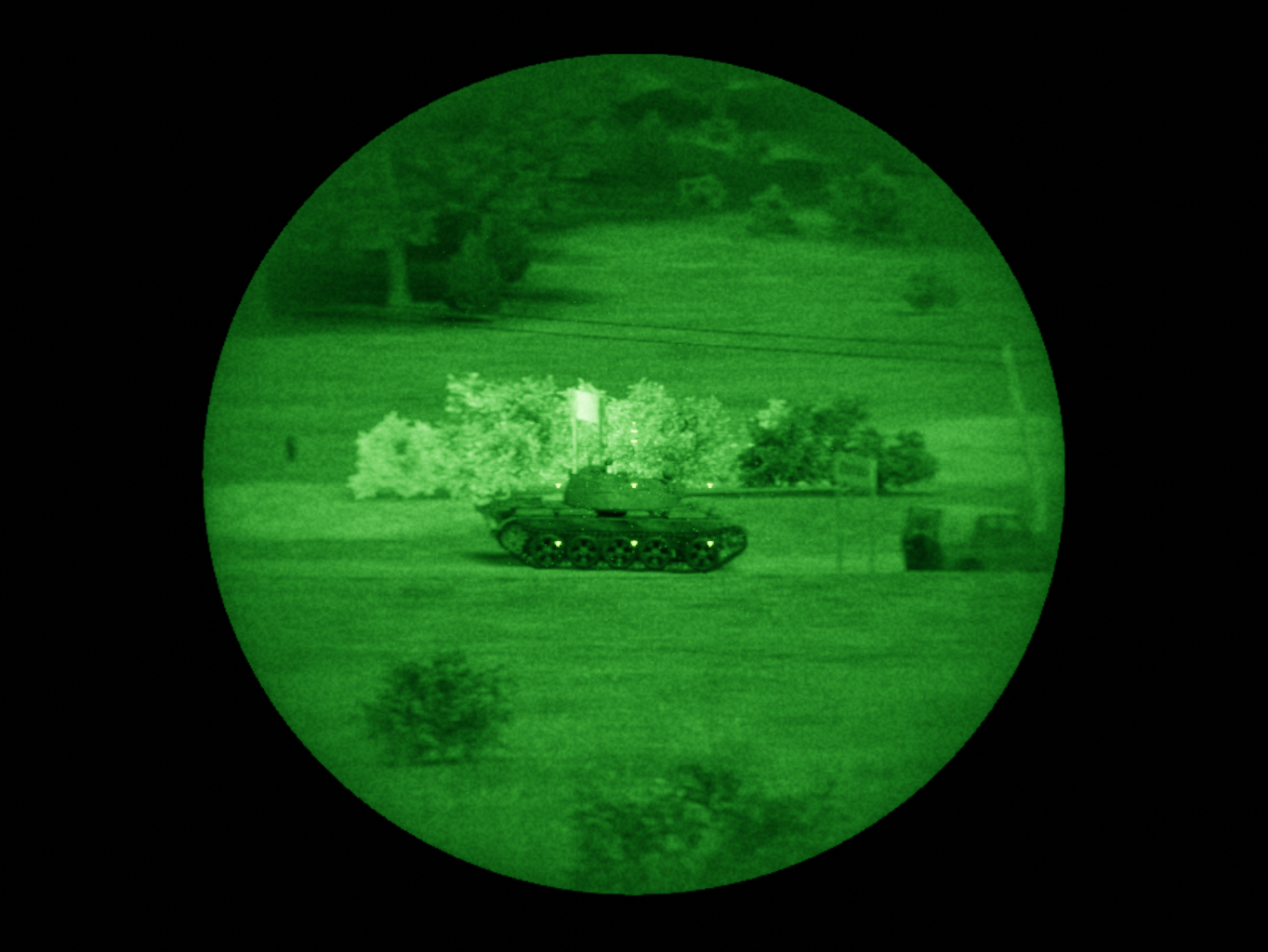
As a direct follow-on from our previous development update, we have the reticle for the FERO-Z 51 night sight which serves as a uniform reticle not only for use on the G3 rifle and the MG3's "Feldlafette" tripod, but also the Panzerfaust 44 and Panzerfaust 3.
While technically not as multifaceted as sights such as the AN/PVS-4 which allows for the usage of various different detailed reticles for different platforms, the FERO-Z 51's approach in having a universal reticle for most of the Bundeswehr's primary infantry weapons platforms certainly streamlines the unenviable wartime scenario of having to reallocate the sights on an as-needed basis within a unit, without the need for any alteration.
We do however have some new German ordinance to show too, though not of Bundeswehr issue...
With the formation of the Bundesgrenzschutz (BGS) in 1951 to provide the hitherto unarmed post-war West Germany an armed border security and police force, the new force required armaments, and of said armaments the SMG chosen to arm this force was, along with a limited number of DUX-53s, the Italian MAB 38/49, designated the MP1.
Being that the Bundeswehr was formed essentially from scratch several years after the BGS (which had effectively served as a stopgap measure to that point), the first SMGs issued in the Bundeswehr were MP1s taken from BGS stocks.
While the Bundeswehr ended up quickly replacing their limited number of MP1s with the newly adopted MP2, when the BGS replaced the MP1 a few years later, instead of adopting the MP2 the BGS instead adopted the MP5.
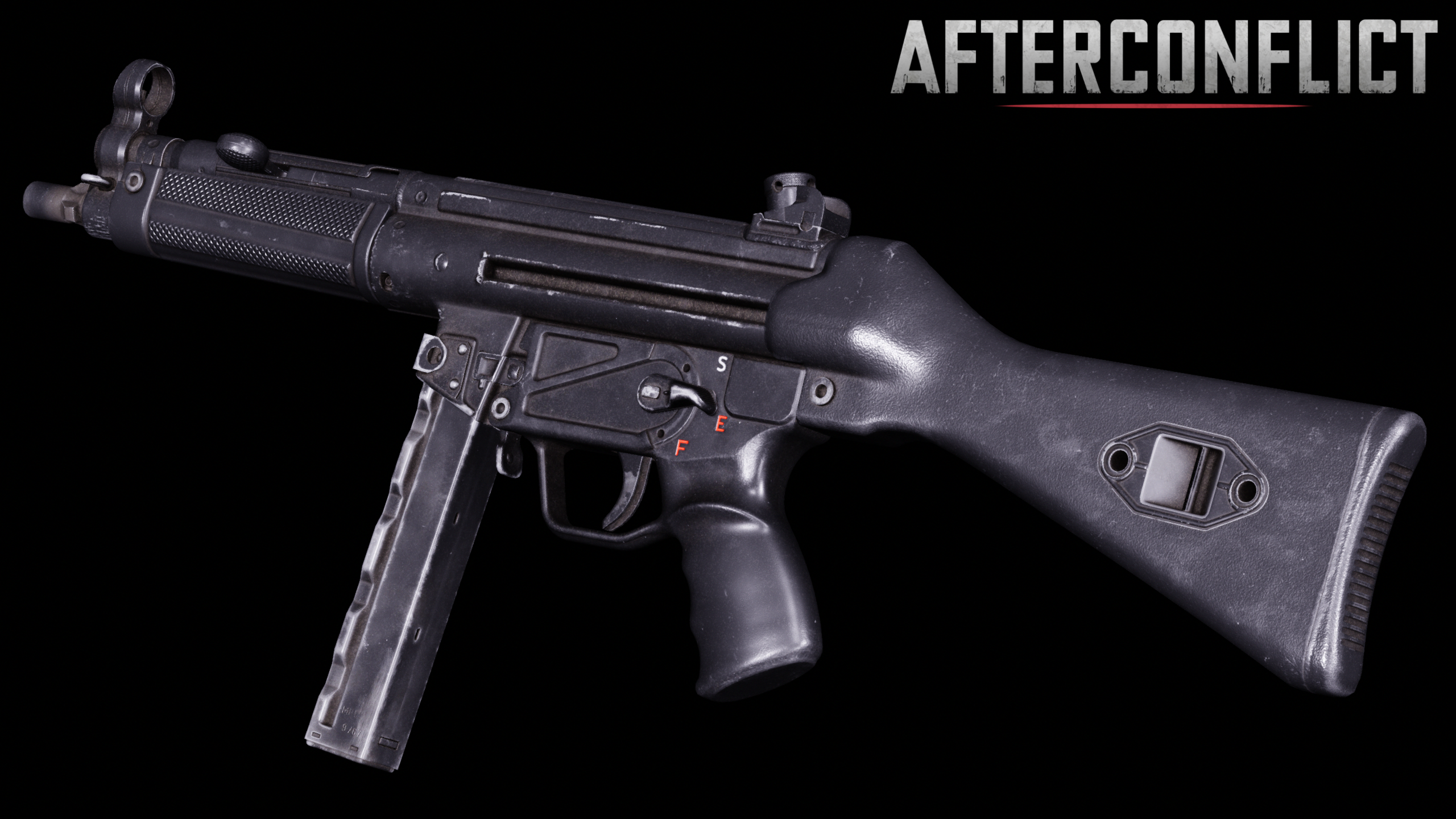
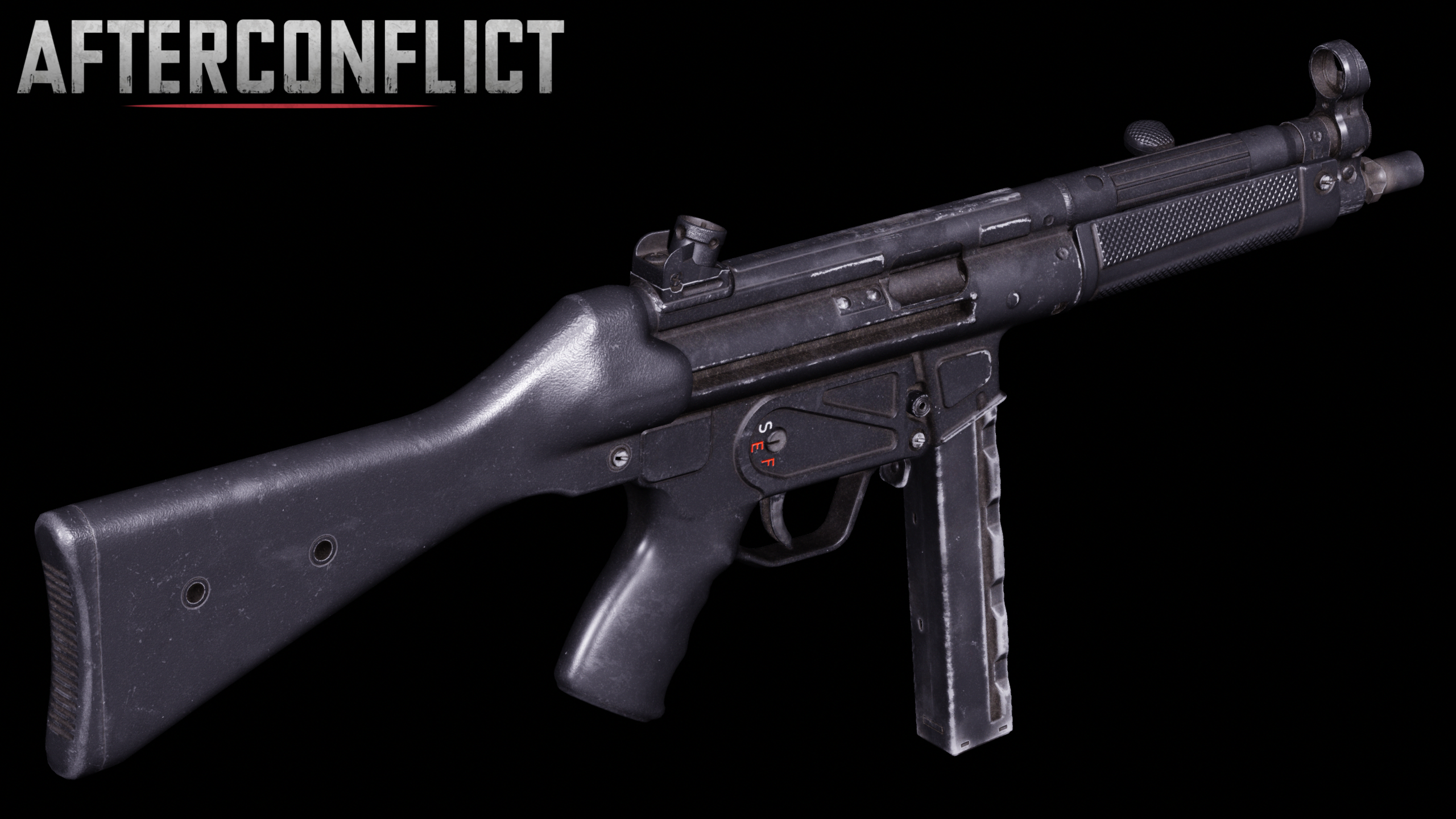
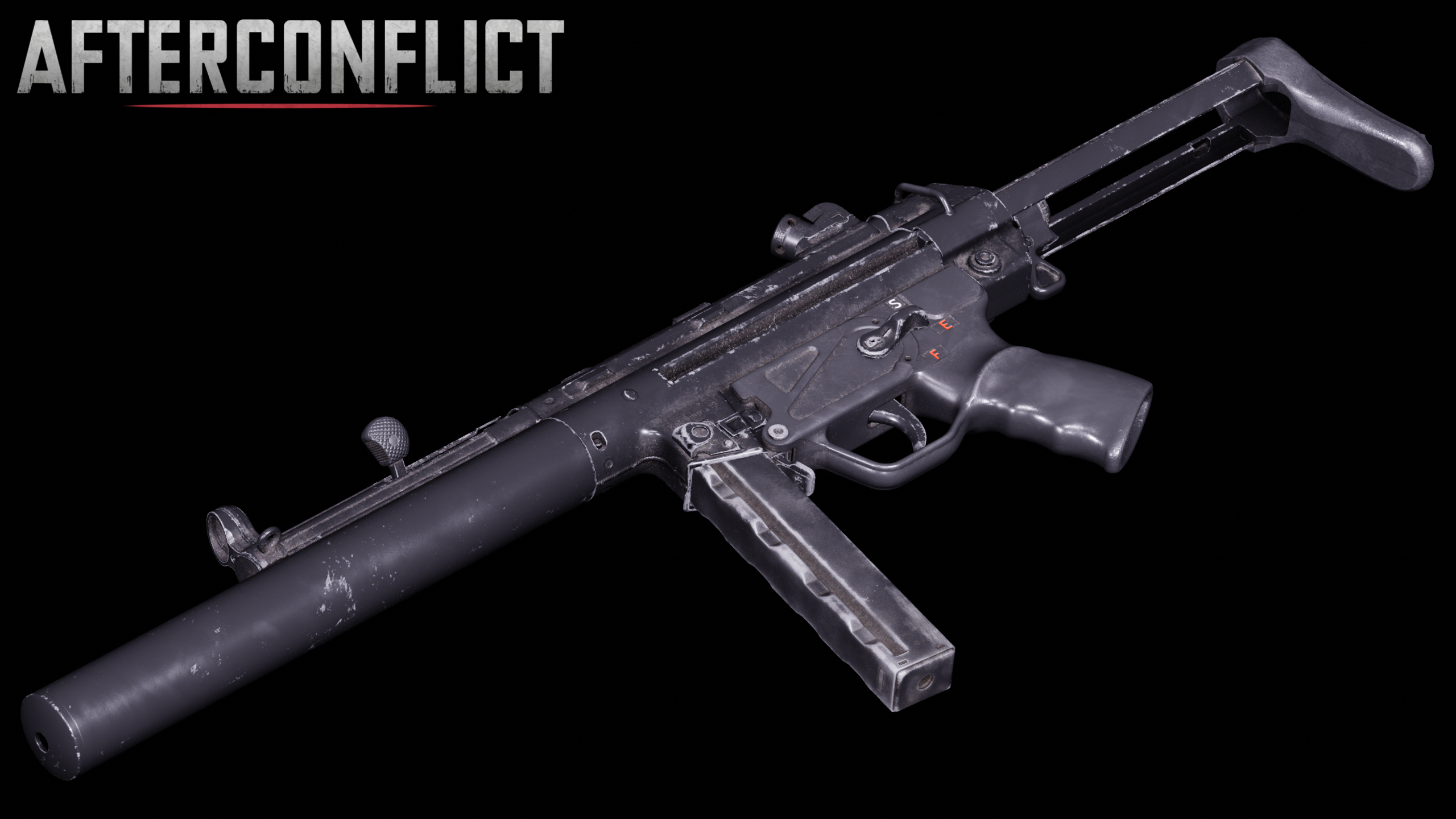
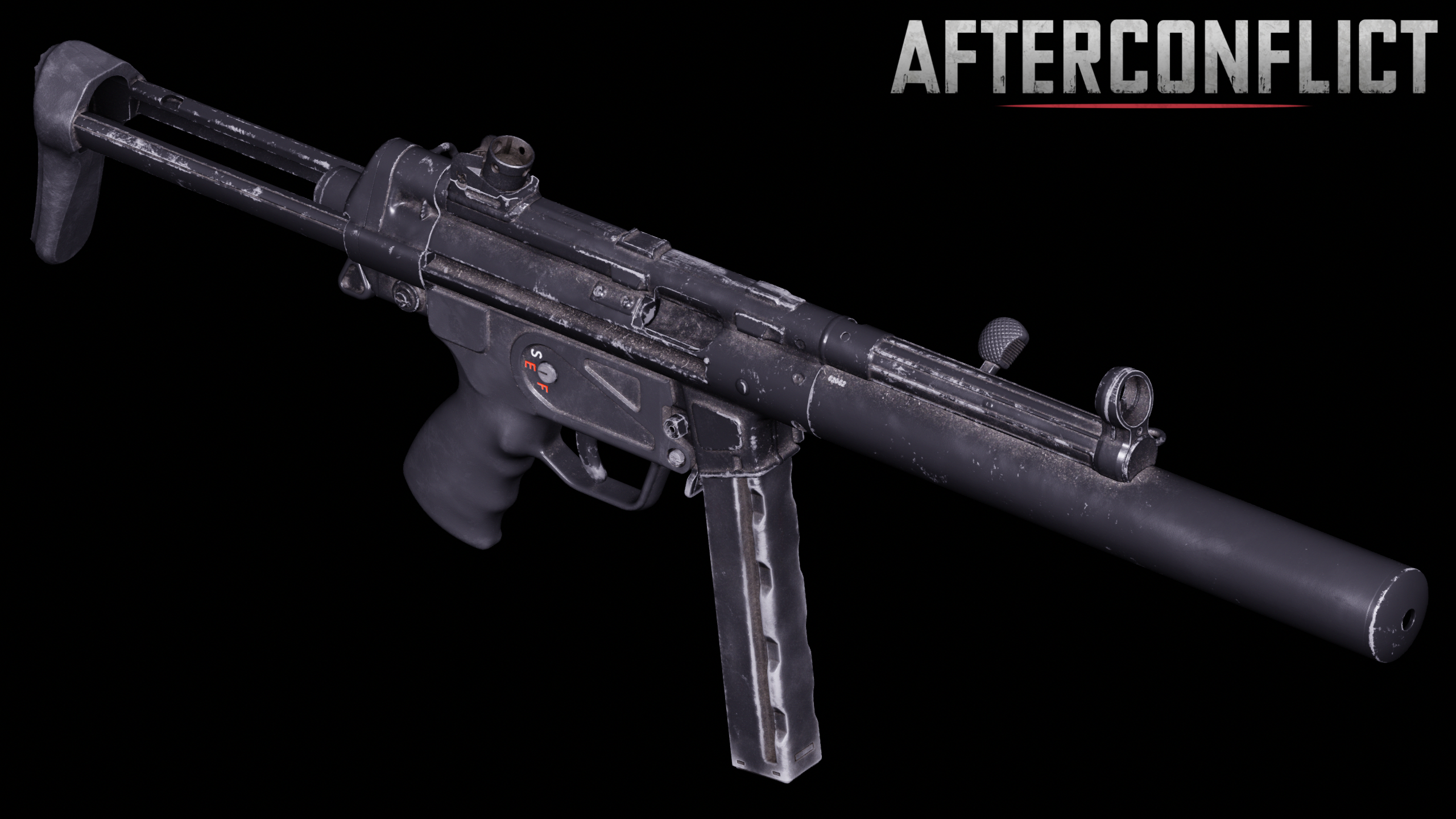
Being that the BGS was one of the first adopters of the MP5, many of the examples in BGS stocks were some of the earliest MP5s to be produced from 1966, which includes distinctive features such as a different front handguard, a lack of mounting points for optics or other accessories, a different (more G3-like) stock, various differences in the trigger housing, among others, all of which are depicted in our rendition of this early MP5A2.
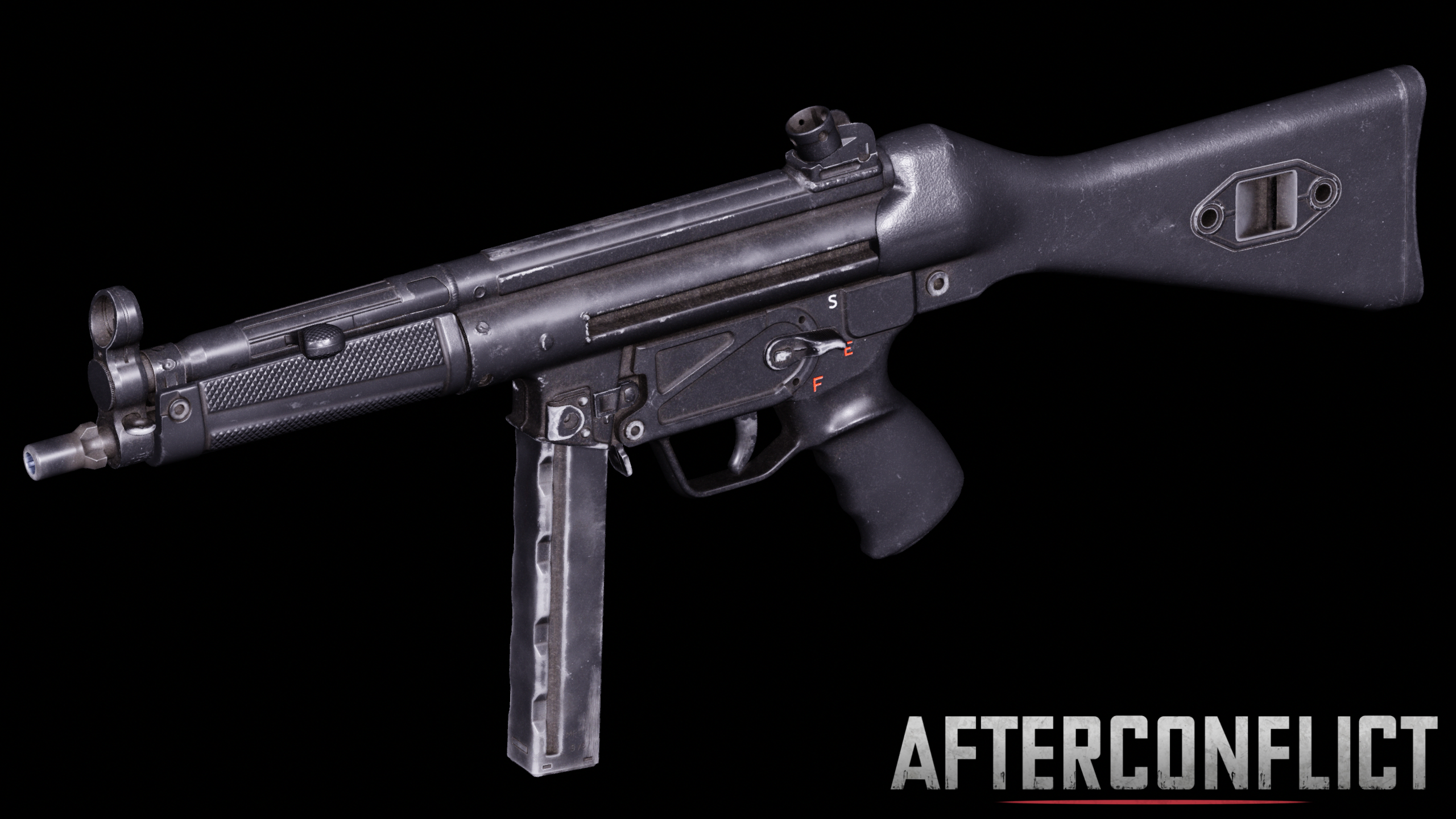
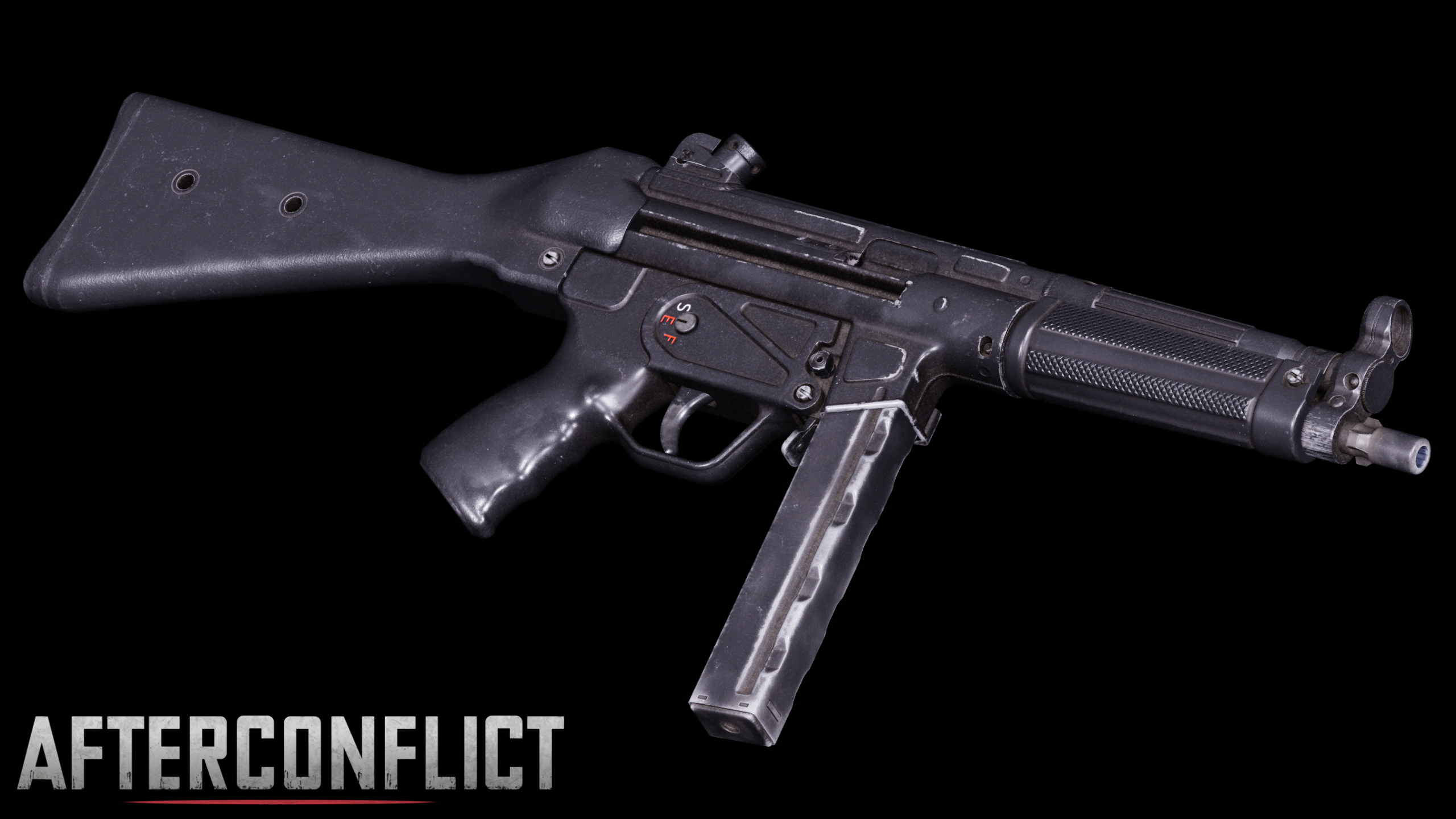
The MP5 quickly rose from its humble beginnings in the BGS, quickly becoming recognised as one of the finest SMGs in the world, and as it did so the need for a specialised variant designed for clandestine use grew, and so, introduced alongside various alterations to the MP5's baseline design in the mid-70s was the MP5SD.
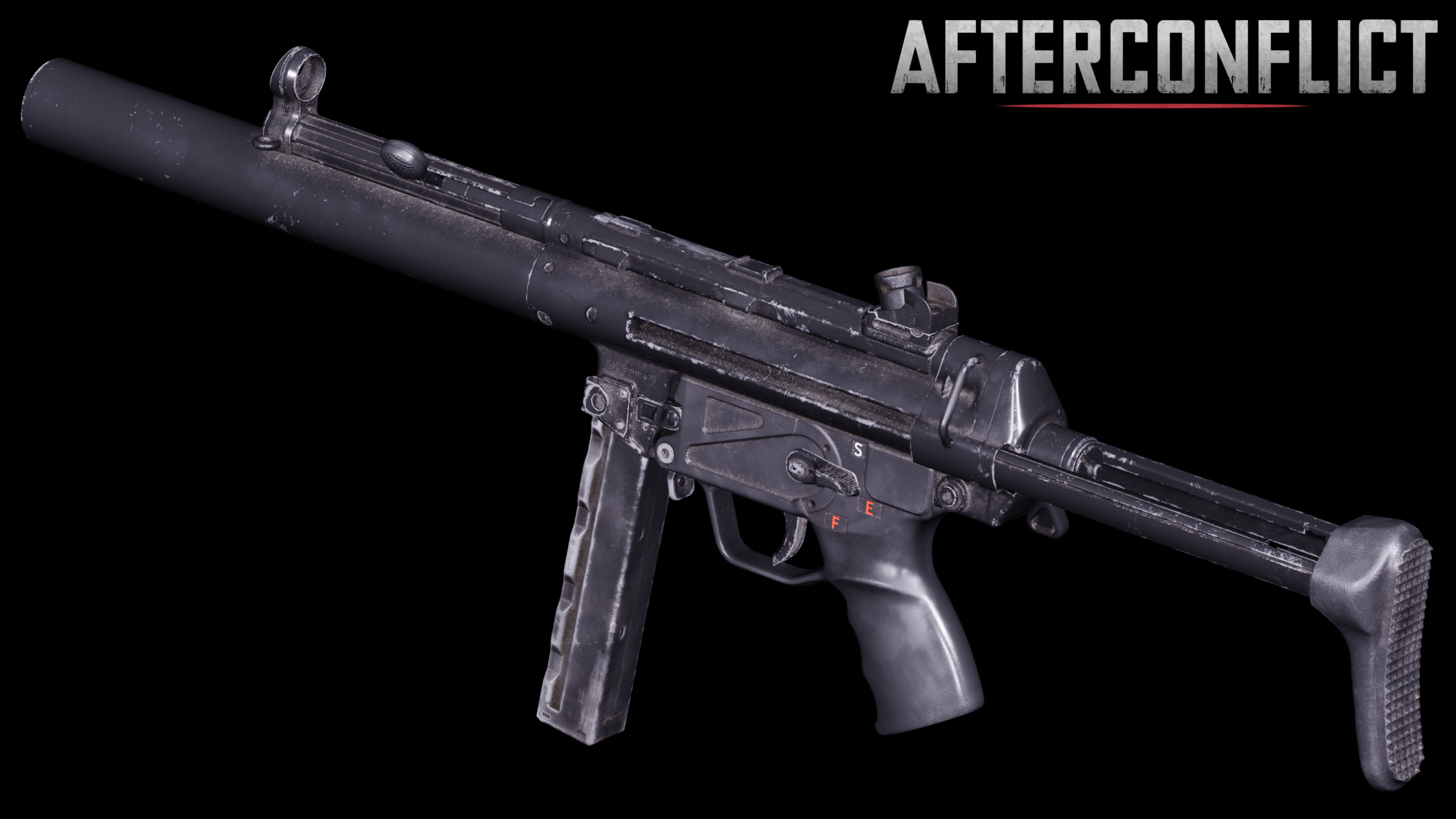
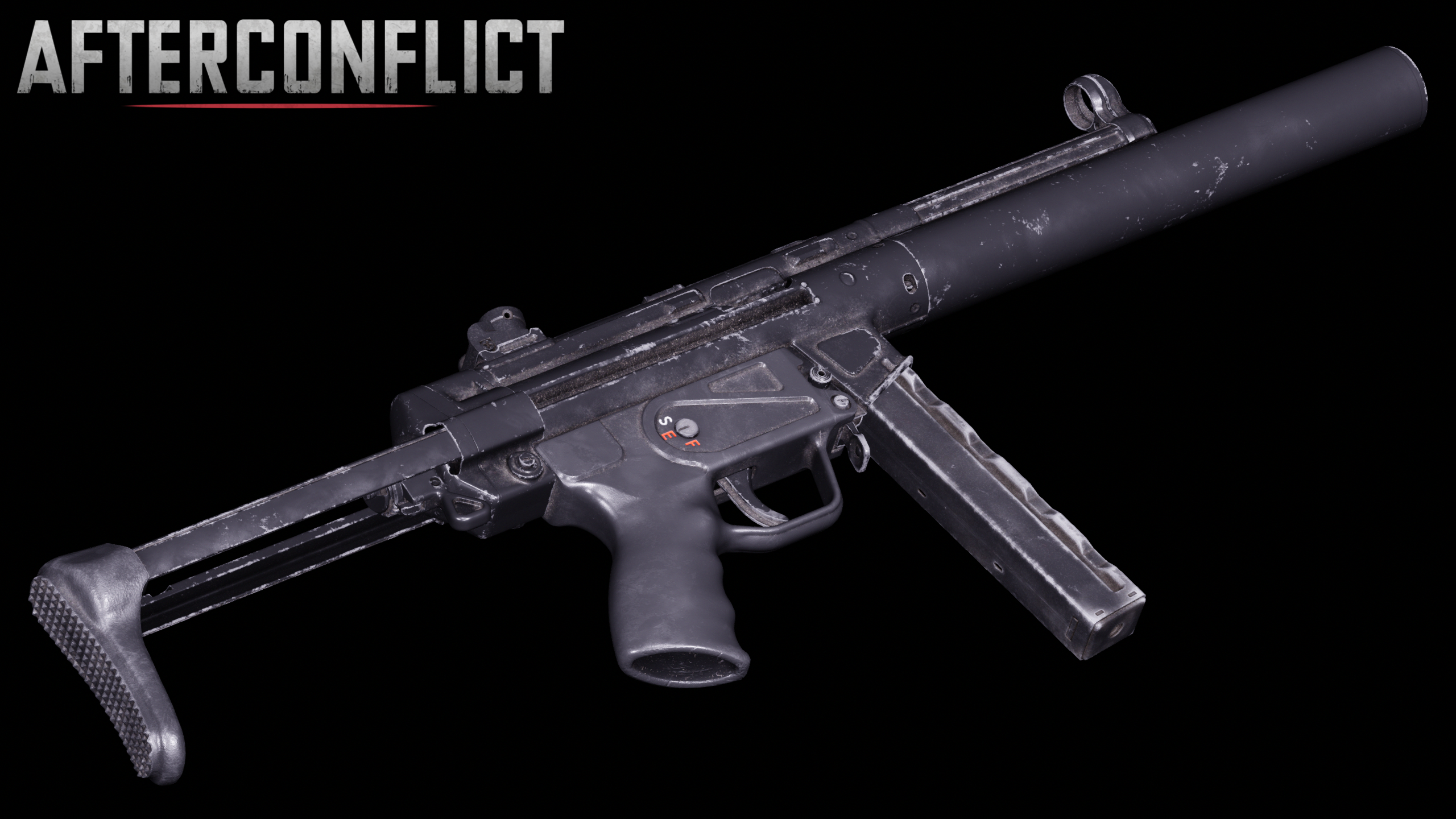
A logical addition to the BGS's arsenal with the then newly formed Grenzschutzgruppe 9 (GSG 9) unit (who it would quickly become famous in the hands of, especially in recruitment materials in the wake of Operation Feuerzauber), the BGS's stocks of MP5SDs also retained the nuance that due to being some of the first adopters of the MP5SD, many of their examples featured notable early production features.
As mentioned above, by the time the MP5SD entered production different improvements had been made to the base MP5's design, most notably the optic mounting points, however the early MP5SD3 still retains various features that set it apart from later examples, most notably and obviously its lack of a handguard covering the integrated suppressor, and we hope we've properly depicted just how slick it looks.
But while we've now shown off means of shooting both loudly and quietly in this development update, how about figuratively?
To this point, most of the screenshots we've taken in-game have been some combination of using noclip and FOV settings via the console, workable, but not particularly robust or accessible.
We've now sought to improve this by introducing a whole new easily-accessible Photo Mode!
As you can see by the UI example below, while still something of a work in progress, we are aiming to include all of the various functionalities that are desired by an aspiring virtual photographer.
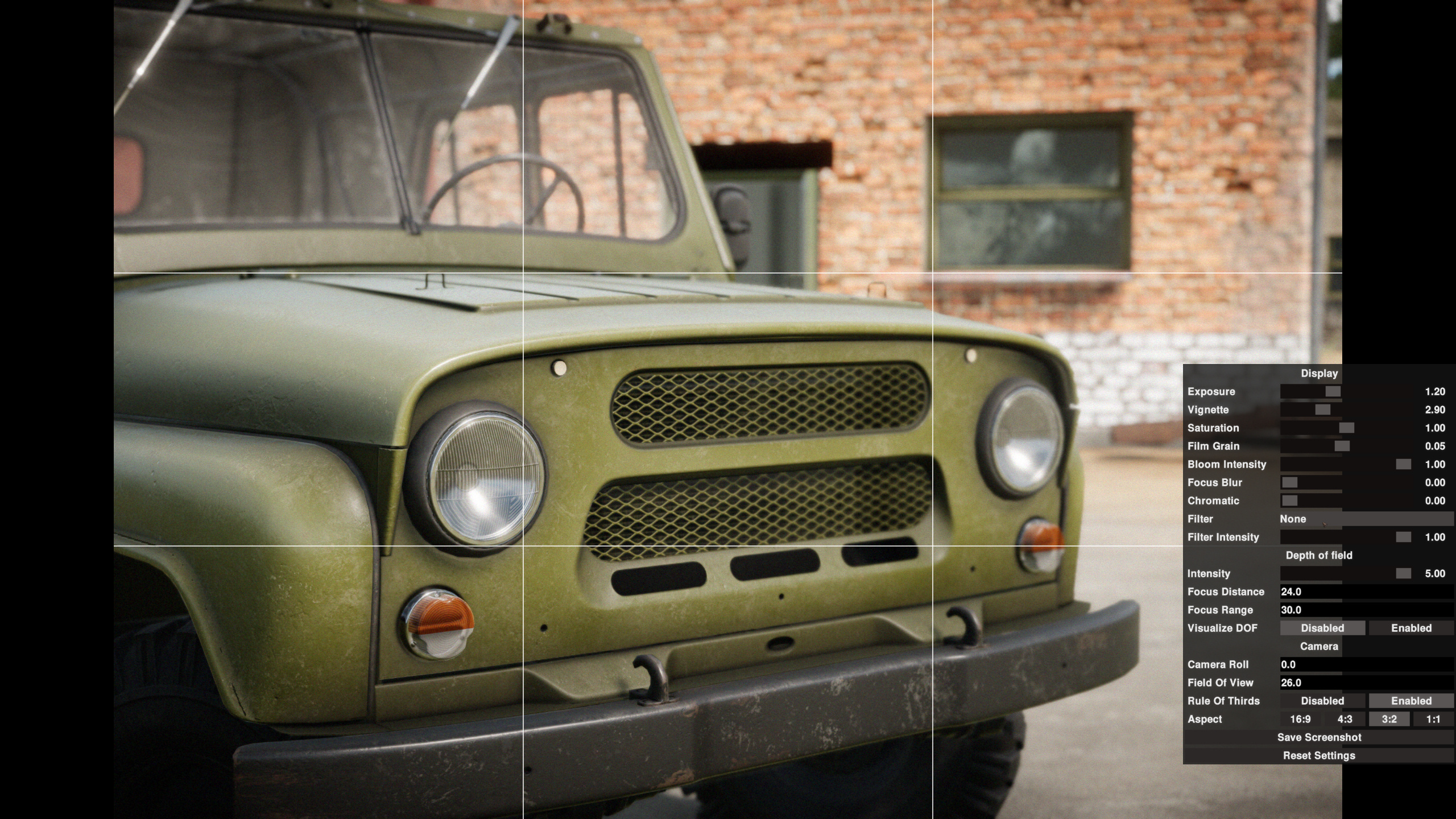
So far we have pretty much all of the fundamentals you'd typically expect: exposure, focusing (via depth of field), different aspect ratios, LUT filters, etc., but if you have any particular additions you'd like to see included in the photo mode tools, do not hesitate to make a suggestion!
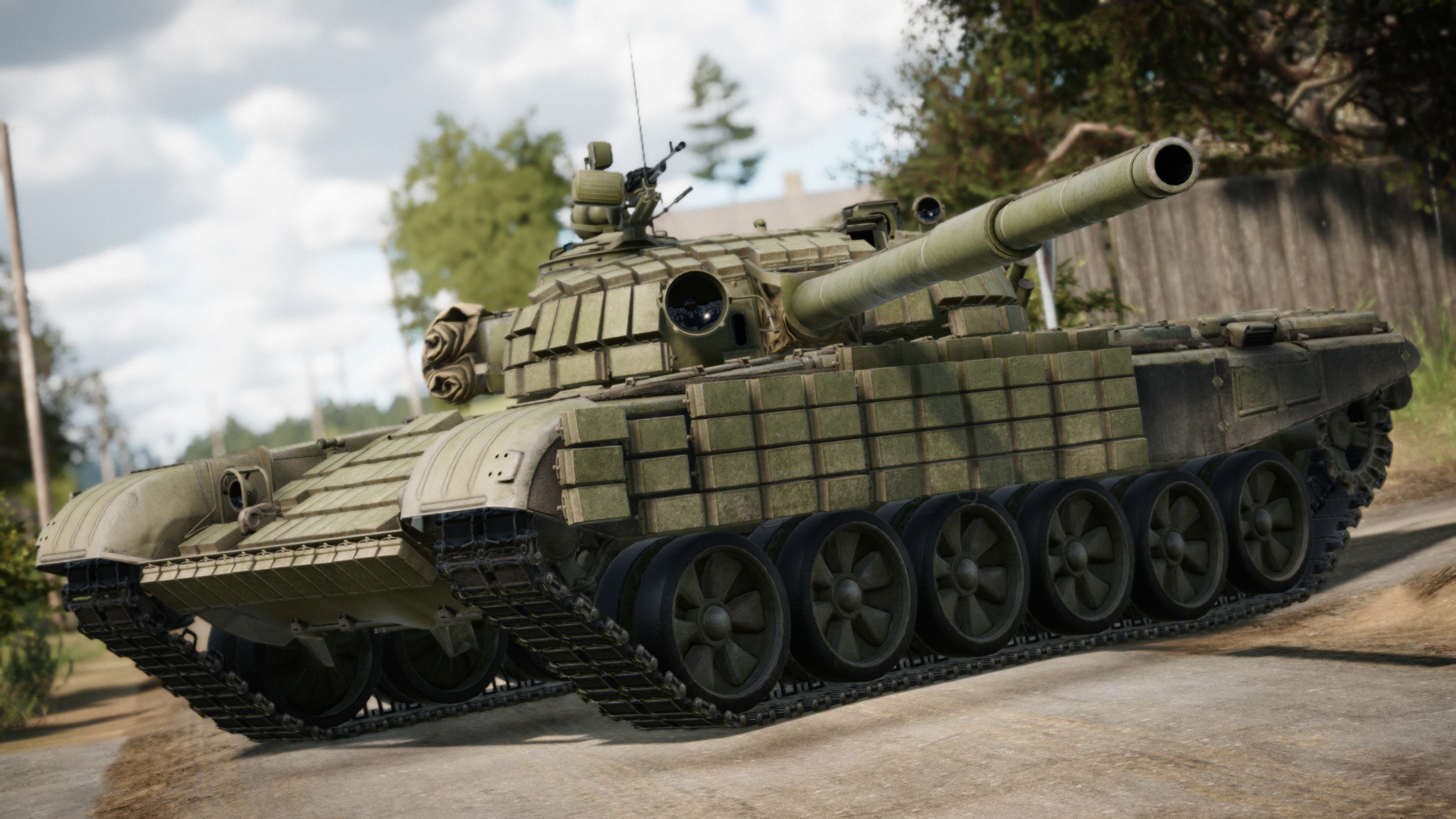
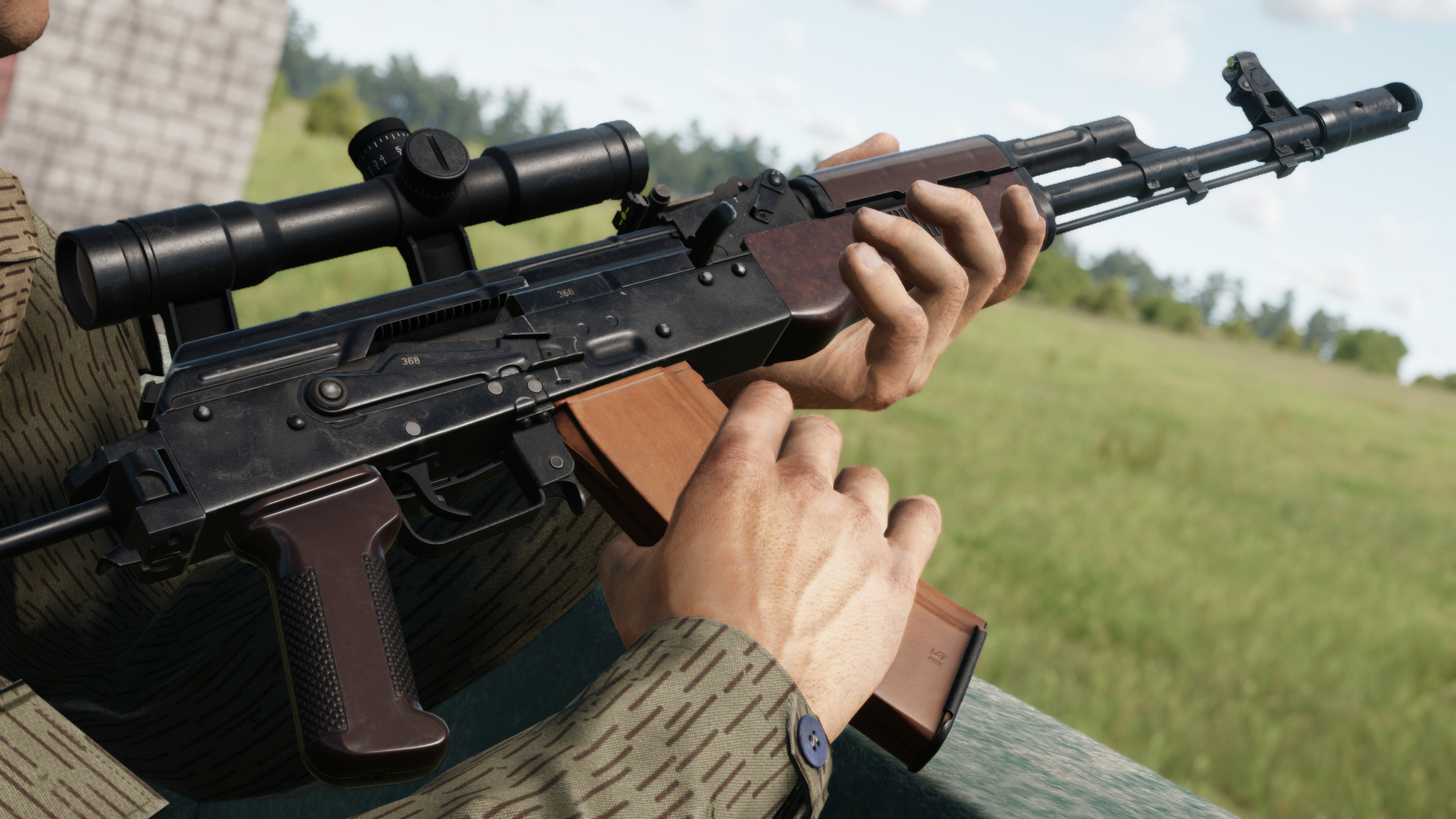
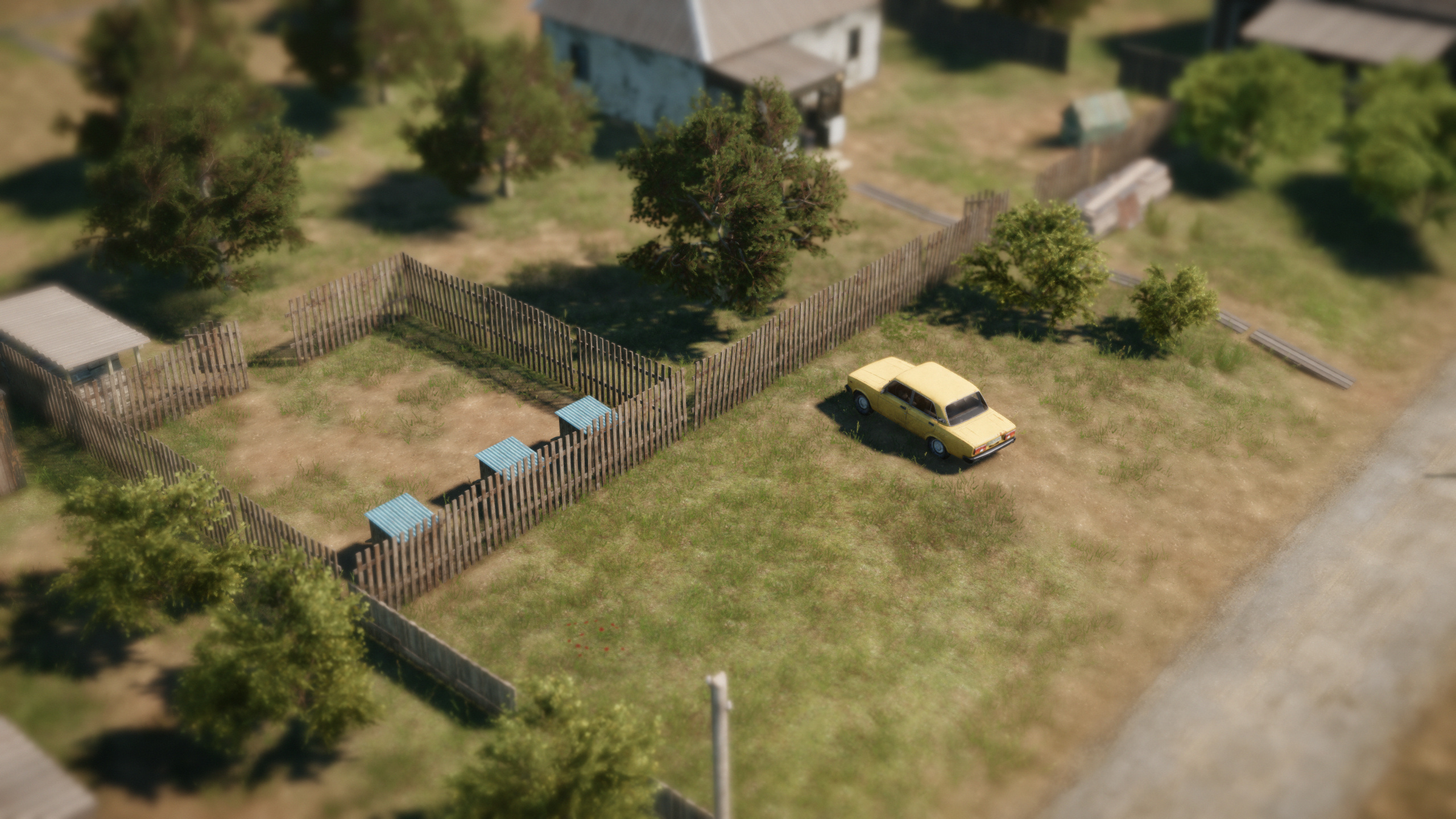
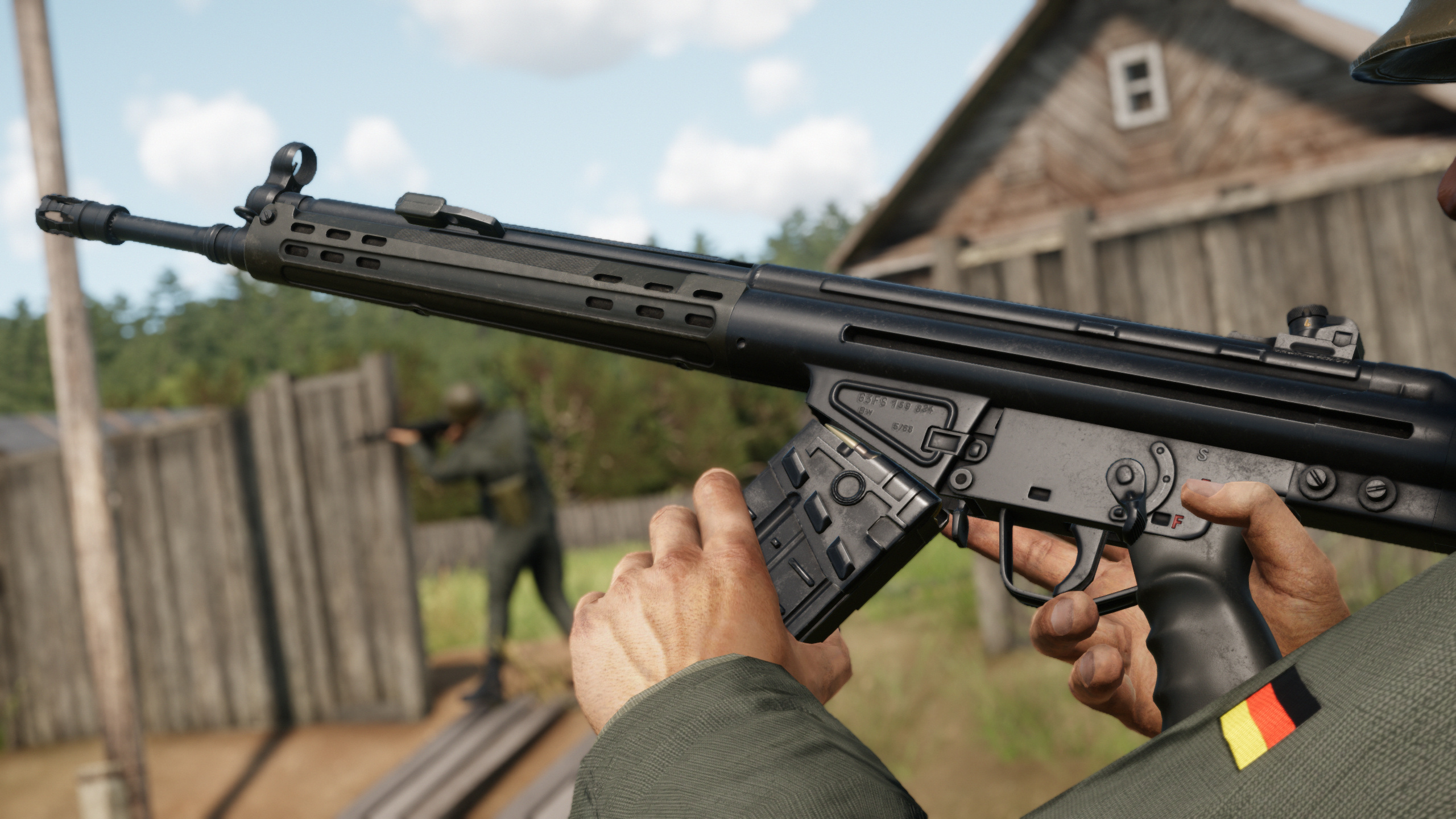
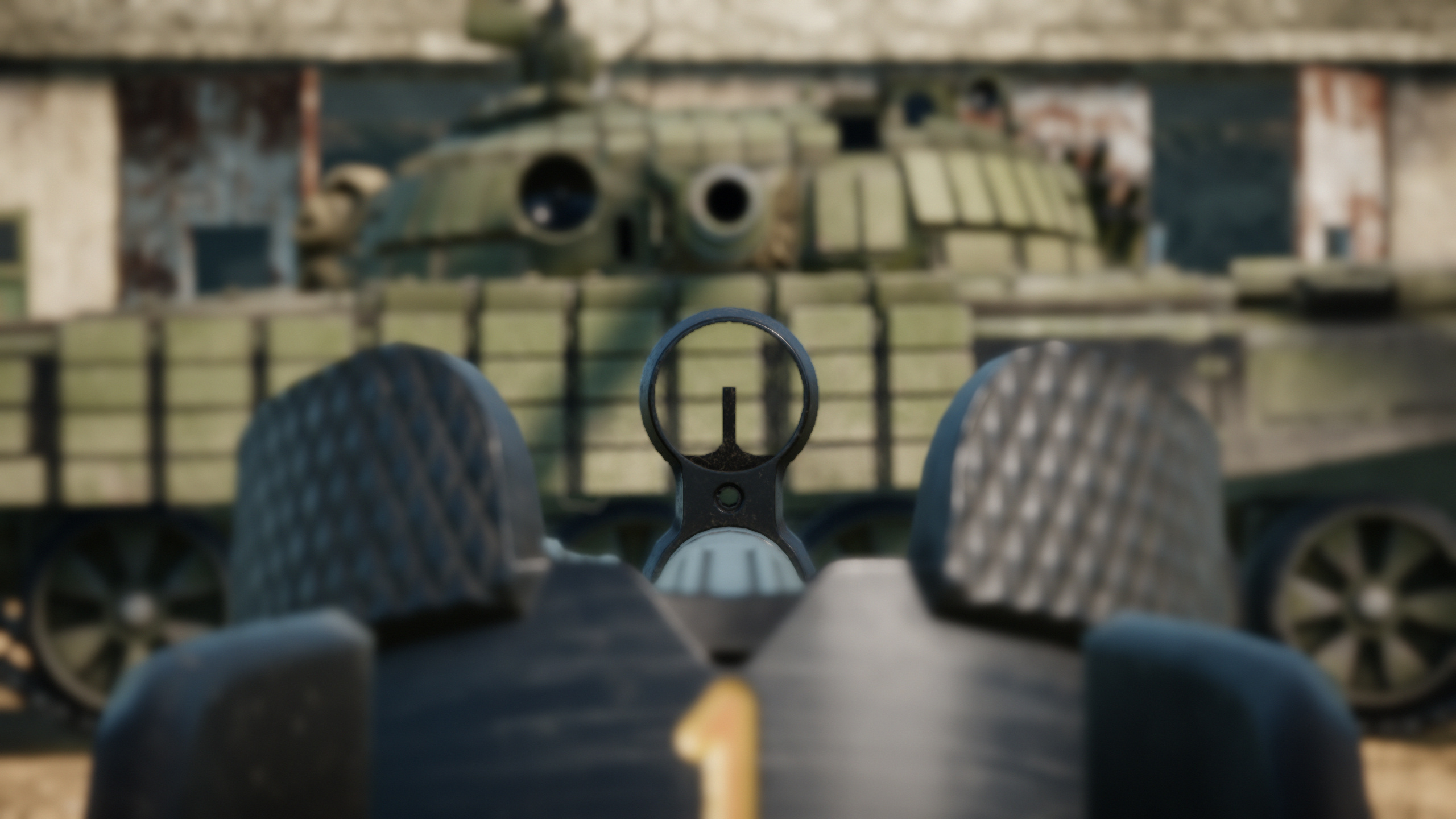
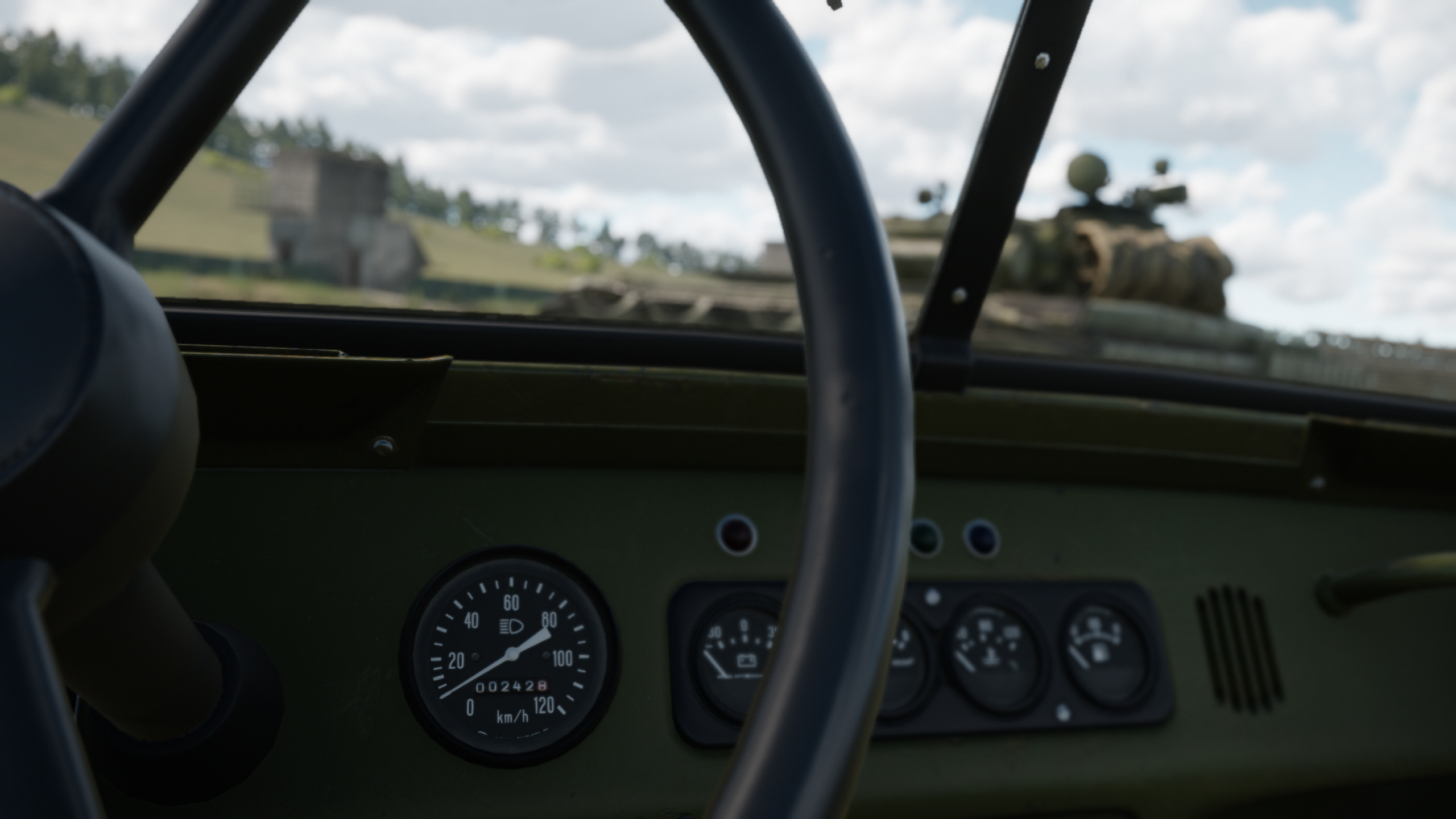
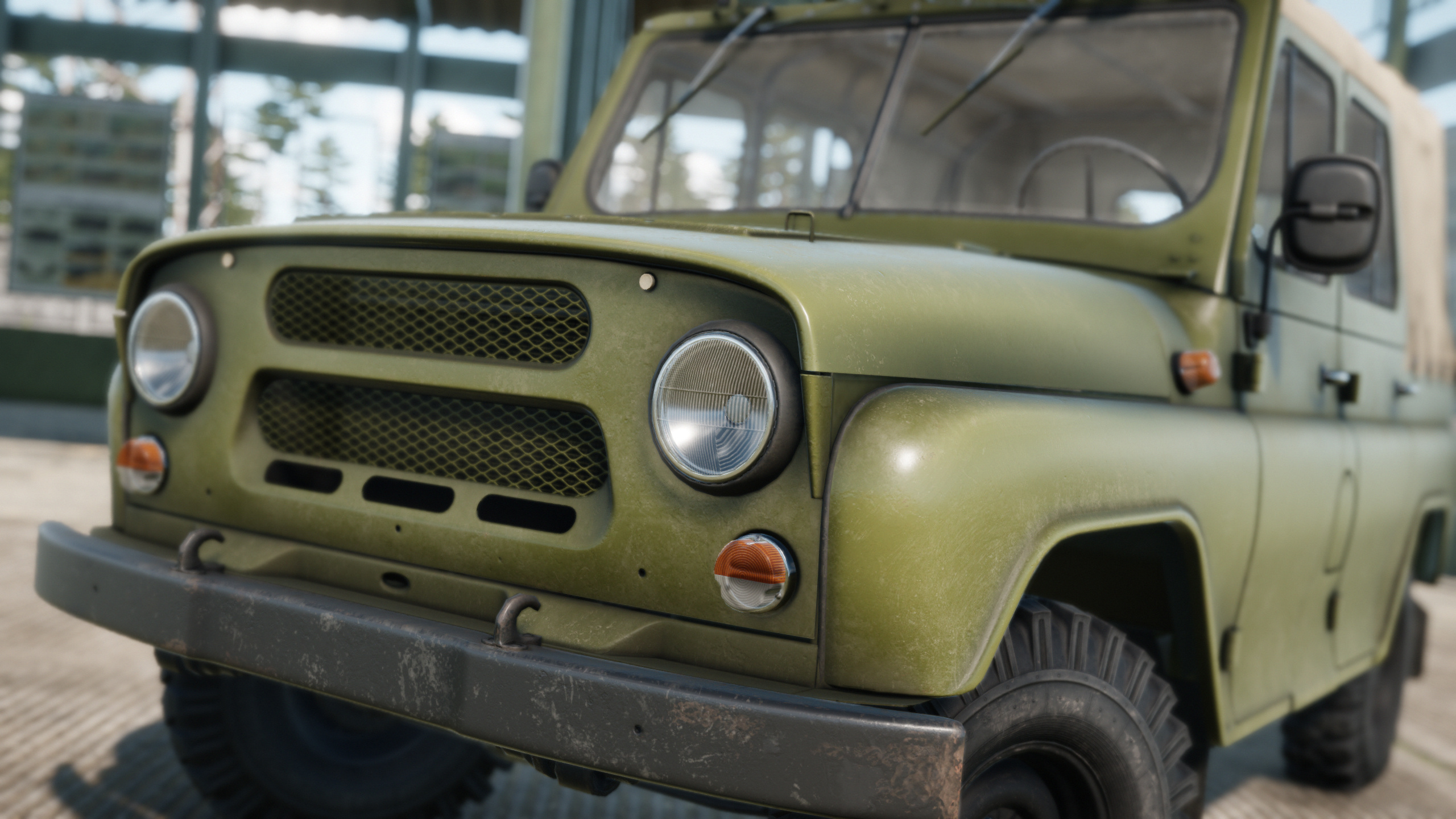
And to be clear, we're not just looking for the core fundamentals, we're open to the more avant-garde functionality that gives users the ability to take shots that really become their own; so, as stated, do not hesitate to suggest something that's different, just take a look at some of our own experiments!
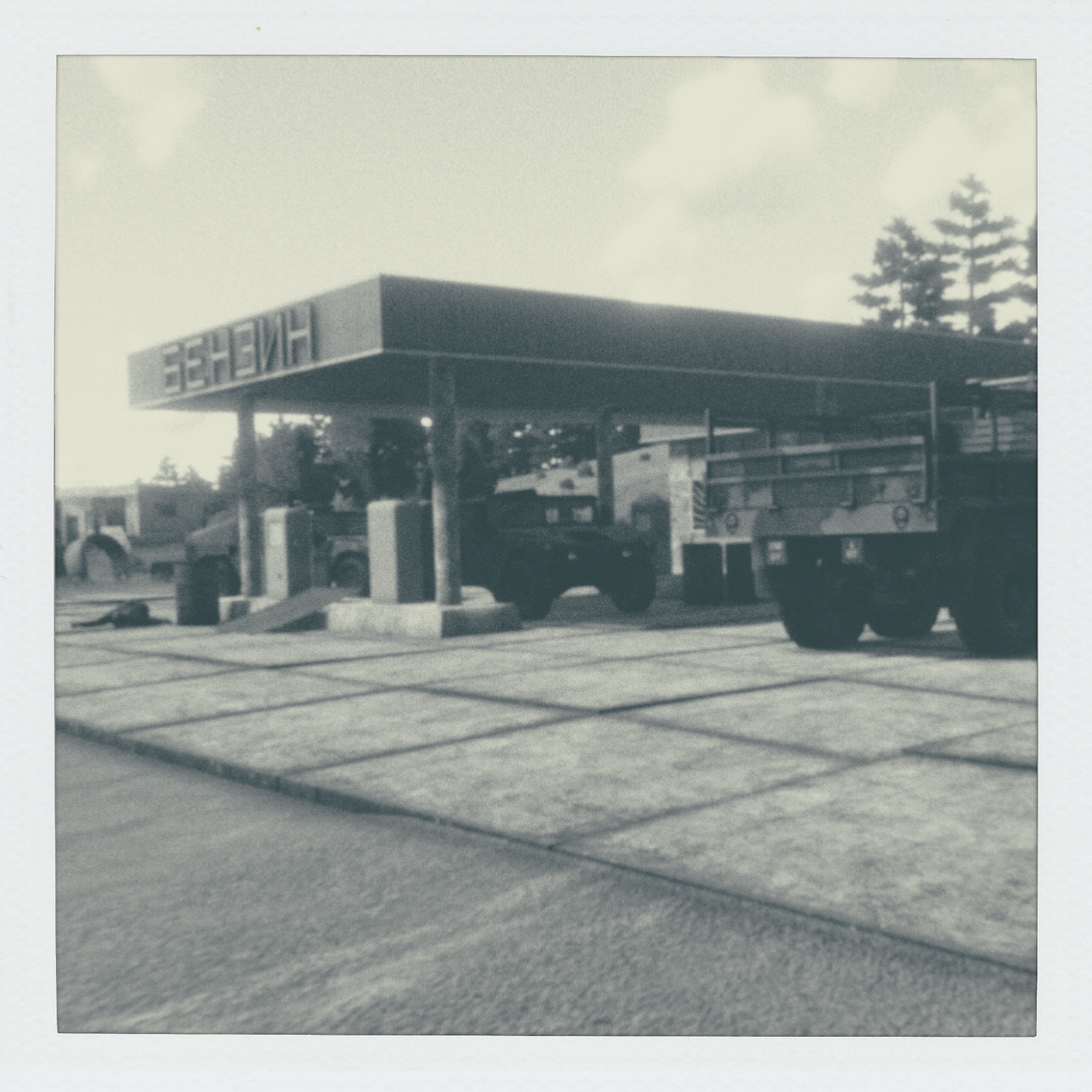
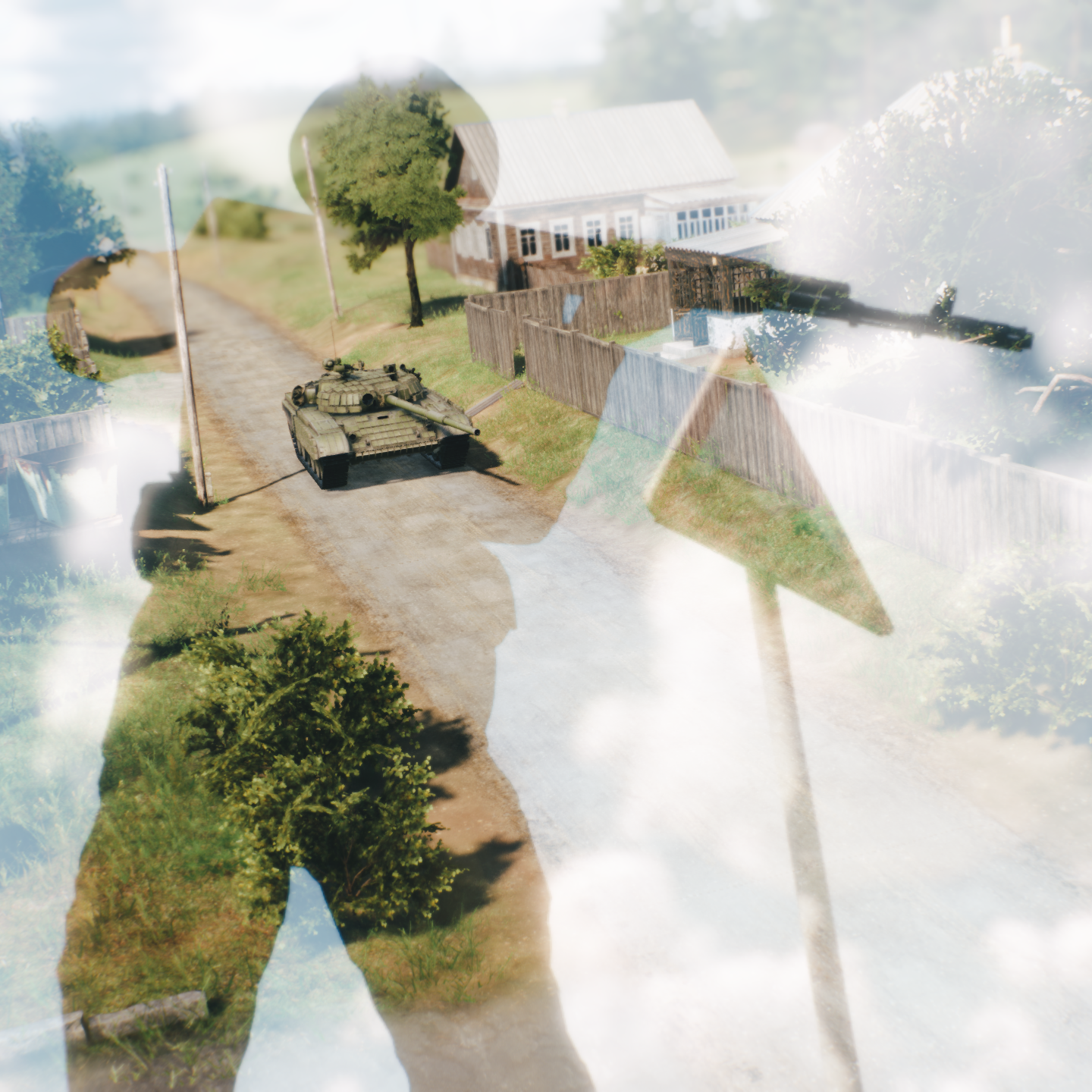
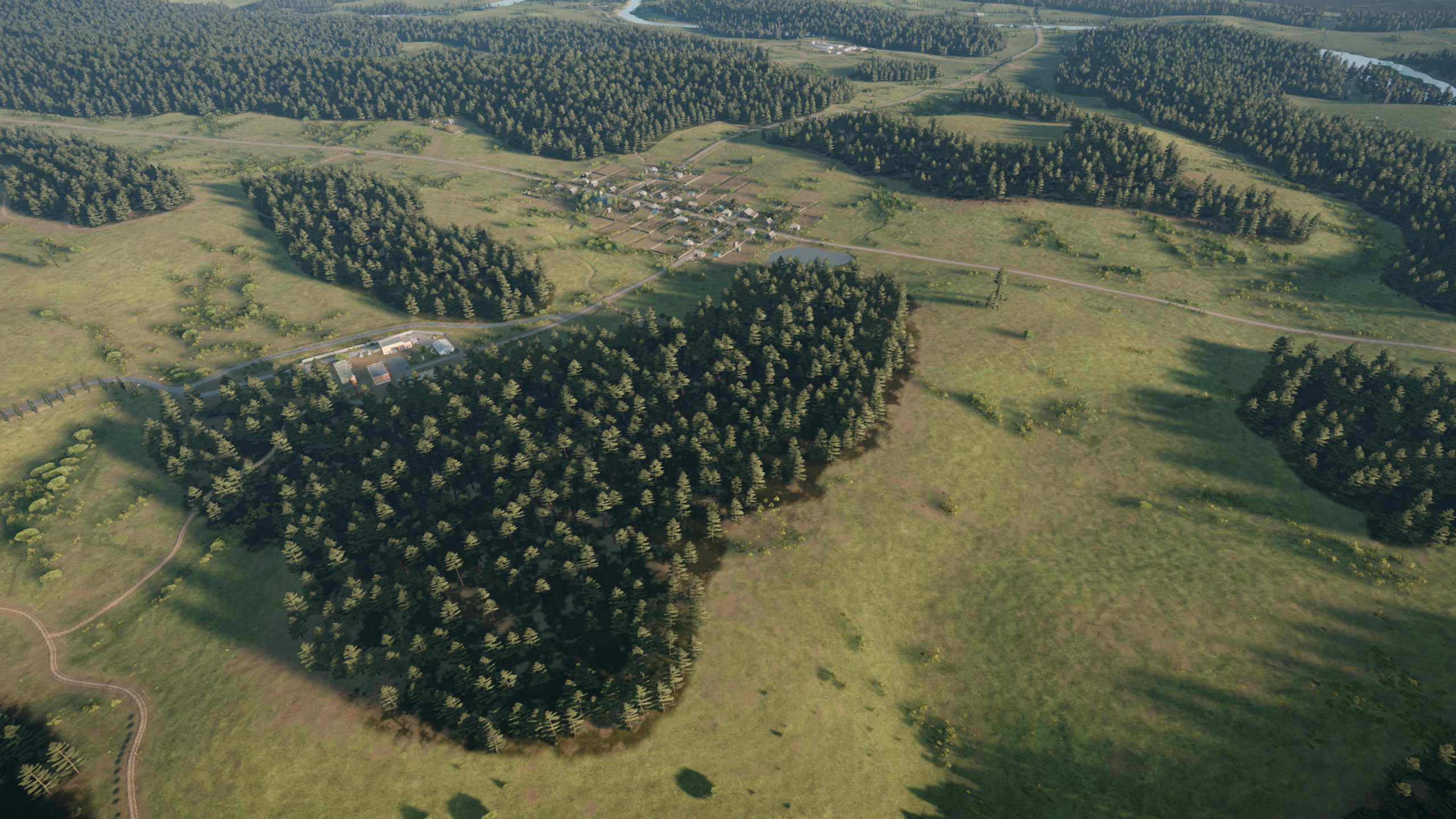
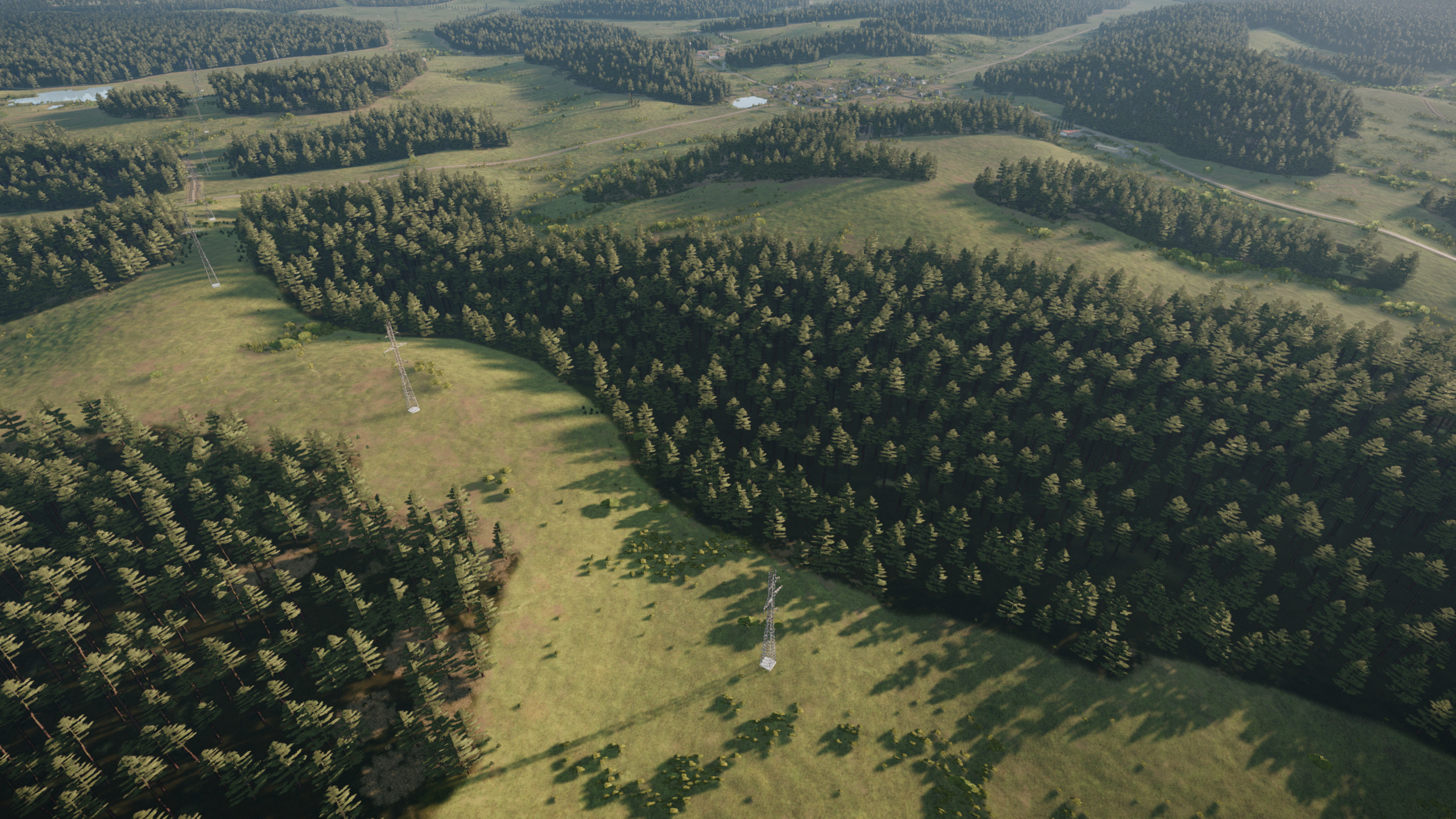
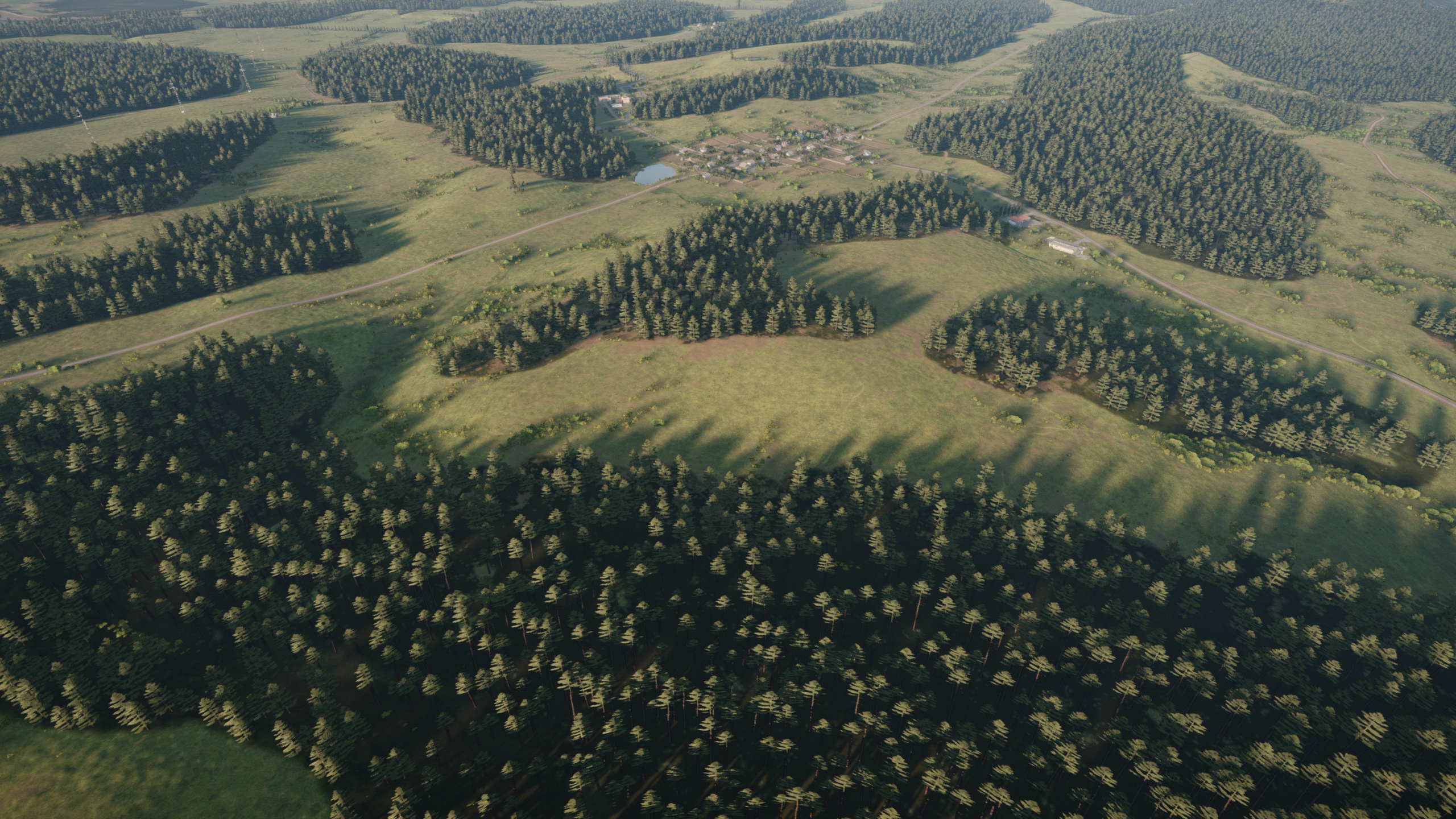
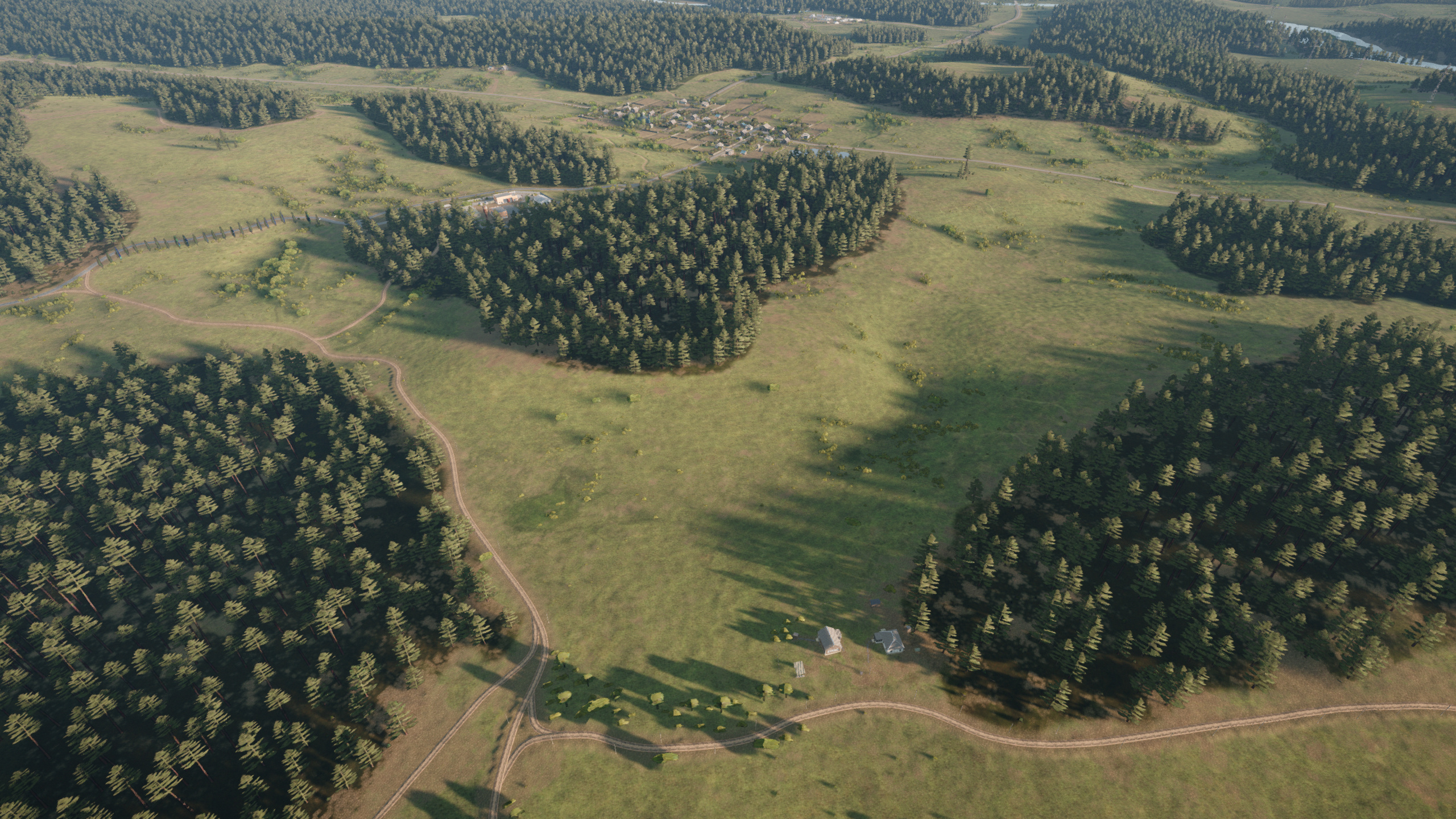
To complement our new photo mode, a seemingly minor but crucial improvement to both visuals and gameplay that we were frequently asked about has been introduced that speaks for itself, distant shadows!
Now, let's move onto some of the more technical matters that require a bit more of an explanation.
One of our most all-encompassing recent additions is the addition of DirectX 12.
Among DirectX 12's various advanced rendering features, raytracing is the most obvious with DirectX Raytracing (DXR) which we'll no doubt be showing off when we've further developed Afterconflict's raytracing framework, though it also includes such things as Ray-Traced Ambient Occlusion (RTAO), Dynamic Diffuse Global Illumination (DDGI), the AMD FidelityFX Super Resolution (FSR) suite, the Nvidia Deep Learning Super Sampling (DLSS) suite, among various other factors that makes Afterconflict's rendering capabilities fully future-proof and capable of expansion.
Speaking of rendering however, one of the more significant new additions to our rendering pipeline is the introduction of High Dynamic Range (HDR) output for compatible monitors/TV screens/etc. alongside the switch to the Academy Color Encoding System (ACES) 2.0 as our primary tonemapper, which will allow those who currently use a HDR display to see Afterconflict at its best, alongside those who may acquire a HDR display in future as they become more common in the coming years.
As those of you familiar with HDR no doubt know, it's difficult to extol the virtues of HDR without having a HDR-compatible display in front of them, but for those of you who haven't yet had the ability to do so but are still interested to know what the benefit of a HDR output is, see the example below.
Colour gamuts are a rather subjective matter of discussion that are experienced differently by different people with different eyes on different standards of displays, so it wouldn't be of much use to use them as a point of reference to explain HDR other than "the colours look good" and "colour banding becomes less of an issue", what DOES communicate the benefits of HDR better however is this GIF made by Greg Zaal which demonstrates the difference between how light is handled at different levels of brightness between a Standard Dynamic Range (SDR) image on the left, and a HDR image on the right.
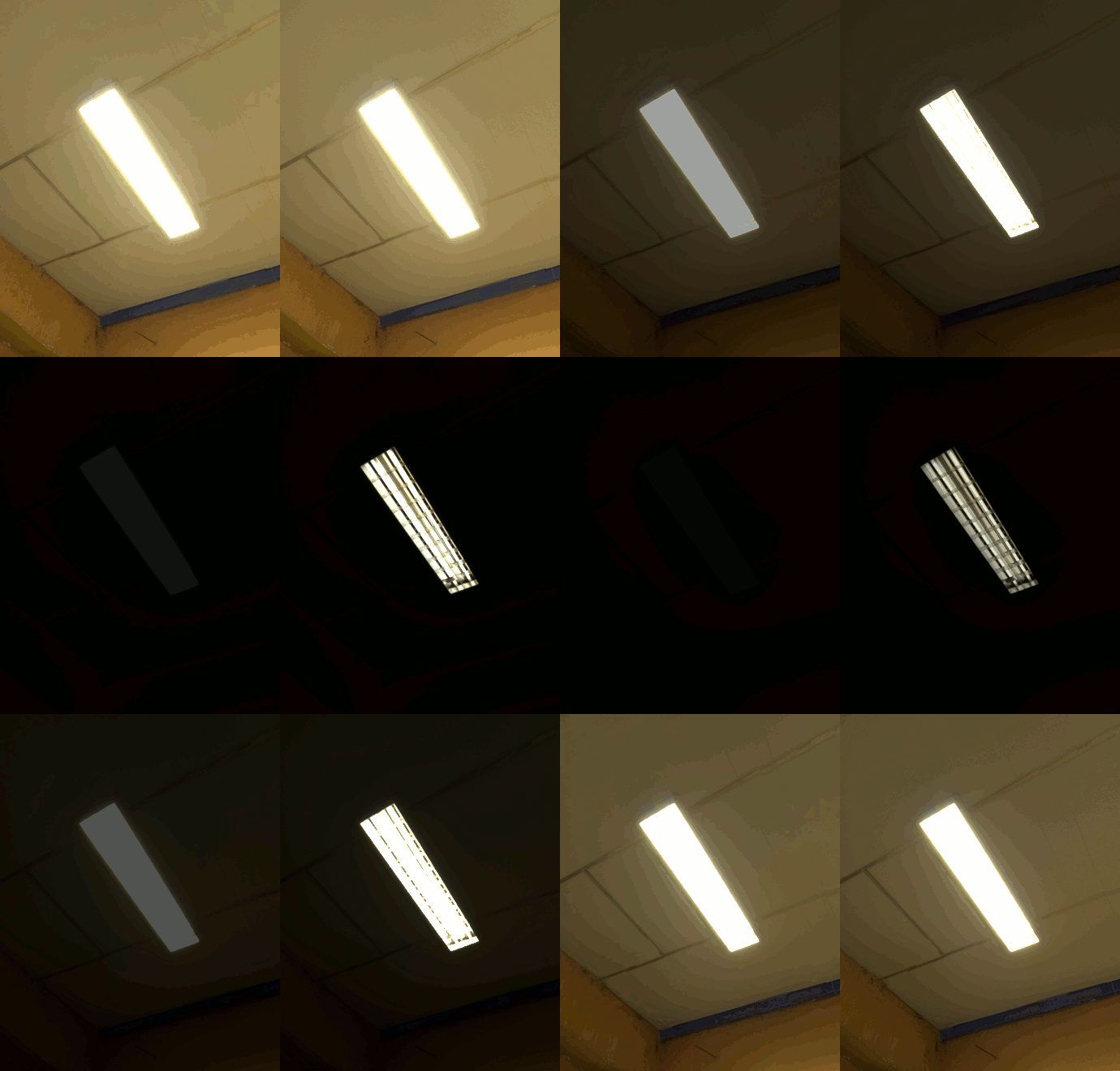
To do my best to explain, rather than the bulb being treated as effectively the same level of brightness as the colour around it, essentially just as a single, featureless blob of colour in a sea of other pixels, a HDR image instead includes a full array of information about the brightness of the bulb itself which, to provide a context relevant to Afterconflict, when viewed with a HDR display would allow for you to both pick out the details in a shadowy corner of a bunker while also appreciating just how bright the nuclear explosion outside of it can be.
To finish off this technical roundup, in our custom engine we are working further on our object-oriented scripting language.
To cut to the chase, and for those of you who are technically minded, this includes such features as built-in co-routines, direct GPU memory copying, parallel for loops and range based loops, class polymorphism, among others.
In non-technical terms, it enables for easier and more extensive modding capabilities that scale to any user's needs, whether something as simple as quickly throwing a set of grouped assets in-game over the course of 5 minutes, or as complex as an entire total conversion with advanced custom mission logic.
We will continue elaborating on the details of our scripting language over time as and when relevant, but know that Afterconflict will give you the tools (that we ourselves use) to quickly and efficiently prototype, test, and expand upon your ideas, whether you are a novice looking to experiment with content already in the game, or an experienced programmer/artist/designer looking to build something completely unique.
We would've liked to update you all more on the various additions and improvements mentioned in this update, along with including more images in this development update itself as we typically do, however, as you could imagine based on our above explanations, it'd be somewhat redundant to go on a long diatribe about the wonderful colour science behind ACES 2.0 or the nuances of developing a lexer and an abstract syntax tree parser in the confines of a social media post.
Worry not however, soon we'll be showing off more of what you've come to expect of us that we've still been hard at work building on the side: Cool Cold War kit, some new pieces of which many of you have been patiently waiting for for a long time...

On our Discord server we discuss everything from the game and Cold War history to posting photos of hedgehogs!
If you wish to keep up to date with all Afterconflict updates, be sure to follow our X/Twitter feed too.
As Ever: Stay Tuned!